

Code Velocity
اے آئی تحقیق

اے آئی ٹول جدید ہارٹ فیلور کی درستگی سے تشخیص کرتا ہے

·6 منٹ پڑھنے·Unknown·اصل ماخذ
شیئر کریں
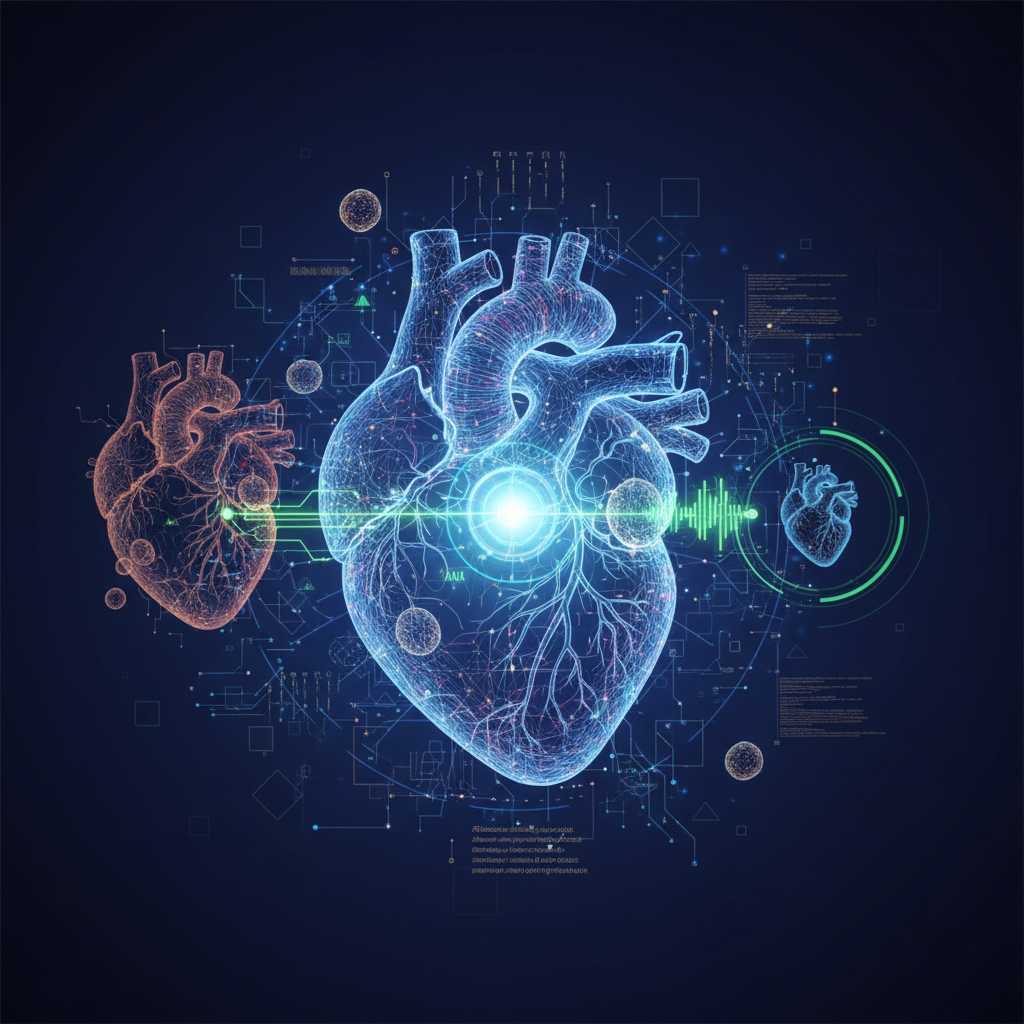
اے آئی سے چلنے والی ایکو کارڈیوگرافی امیج جو جدید ہارٹ فیلور کی تشخیص کے لیے استعمال ہوتی ہے۔

اے آئی کے ساتھ جدید ہارٹ فیلور کی تشخیص میں انقلاب

جدید ہارٹ فیلور، ایک کمزور کرنے والی حالت ہے جو عالمی سطح پر لاکھوں افراد کو متاثر کرتی ہے، طویل عرصے سے ایک اہم تشخیصی چیلنج رہی ہے۔ موجودہ تشخیصی طریقوں کی پیچیدہ اور وسائل پر انحصار کرنے والی نوعیت کی وجہ سے مریض اکثر تاخیر سے تشخیص کا شکار ہوتے ہیں۔ تاہم، Weill Cornell Medicine، Cornell Tech، Cornell Ann S. Bowers College of Computing and Information Science، Columbia University Vagelos College of Physicians and Surgeons، اور NewYork-Presbyterian کی ایک باہمی تعاون پر مبنی ٹیم کی ایک اہم تحقیق اس صورتحال کو بدلنے والی ہے۔ محققین نے مصنوعی ذہانت (AI) سے چلنے والا ایک ٹول کامیابی سے تیار اور تجربہ کیا ہے جو معمول کے کارڈیک الٹراساؤنڈ ڈیٹا اور الیکٹرانک ہیلتھ ریکارڈز (EHRs) کا استعمال کرتے ہوئے جدید ہارٹ فیلور کے مریضوں کی اعلیٰ درستگی کے ساتھ شناخت کر سکتا ہے۔ یہ اختراعی طریقہ کار تشخیص کو جمہوری بنانے اور مریضوں کی دیکھ بھال کو نمایاں طور پر بہتر بنانے کا وعدہ کرتا ہے۔

تشخیصی رکاوٹ: اے آئی کیوں اہم ہے

فی الحال، جدید ہارٹ فیلور کی حتمی تشخیص 'کارڈیو پلمونری ایکسرسائز ٹیسٹنگ (CPET)' پر بہت زیادہ انحصار کرتی ہے۔ اگرچہ یہ مؤثر ہے، CPET ایک خصوصی طریقہ کار ہے جس میں مہنگے آلات اور انتہائی تربیت یافتہ اہلکاروں کی ضرورت ہوتی ہے، جس کی وجہ سے یہ بنیادی طور پر صرف بڑے تعلیمی طبی مراکز میں دستیاب ہے۔ یہ ایک اہم تشخیصی رکاوٹ پیدا کرتا ہے، جس کے نتیجے میں ہر سال تخمینہً 200,000 امریکی جدید ہارٹ فیلور کے ساتھ غیر تشخیص شدہ یا کم دیکھ بھال کا شکار ہوتے ہیں۔ CPET تک وسیع رسائی کی کمی کا مطلب ہے کہ بہت سے مریض بروقت مداخلتوں اور خصوصی دیکھ بھال کا موقع گنوا دیتے ہیں۔

اے آئی سے چلنے والا نیا طریقہ کار زیادہ قابل رسائی اور وسیع تشخیصی حل فراہم کر کے اس مسئلے سے براہ راست نمٹتا ہے۔ Weill Cornell Medicine میں اے آئی اور ڈیٹا سائنس کے ایسوسی ایٹ ڈین اور Frances and John L. Loeb Professor of Medical Informatics، اور مطالعہ کے سینئر مصنف Dr. Fei Wang نے وضاحت کی، "یہ جدید ہارٹ فیلور کے مریضوں کے زیادہ موثر جائزے کے لیے ایک امید افزا راستہ کھولتا ہے جس میں ایسے ڈیٹا ذرائع استعمال کیے جاتے ہیں جو پہلے ہی معمول کی دیکھ بھال میں شامل ہیں۔" آسانی سے دستیاب الٹراساؤنڈ تصاویر اور EHR ڈیٹا سے 'پیک آکسیجن کنسیمپشن (peak VO2)' — جو CPET کی سب سے اہم پیمائش ہے — کی پیش گوئی کر کے، اے آئی ماڈل روایتی رکاوٹوں کو نظر انداز کرتا ہے، اس بات کو یقینی بناتا ہے کہ زیادہ مریضوں کی شناخت ہو سکے اور انہیں مناسب دیکھ بھال ملے۔

پریسیژن کارڈیالوجی کے لیے 'ملٹی ماڈل' اے آئی کا طریقہ کار

اے آئی ٹول کی غیر معمولی صلاحیت اس کے نفیس 'ملٹی ماڈل، ملٹی انسٹنس مشین لرننگ' ماڈل سے حاصل ہوتی ہے۔ Dr. Wang کی ٹیم نے، جس میں مرکزی مصنفین Dr. Zhe Huang اور Dr. Weishen Pan شامل تھے، اس ماڈل کو تیار کیا ہے جو بیک وقت کئی مختلف قسم کے ڈیٹا کو پروسیس کر سکتا ہے، جس سے مریض کی کارڈیک صحت کا ایک جامع نظارہ ملتا ہے۔

ڈیٹا کی قسمتفصیلاے آئی ماڈل میں کردار
عام حرکت پذیر الٹراساؤنڈدل کی ساخت اور فنکشن کو دکھانے والی متحرک تصاویرکارڈیک سکڑاؤ، چیمبر کے سائز، اور دیوار کی حرکت کے لیے بصری اشارے
ویوفارم امیجریدل کے والو کی حرکیات اور خون کے بہاؤ کے نمونوں کی گرافیکل نمائندگیخون کے بہاؤ میں بے ضابطگیوں اور والو کے افعال کے بارے میں بصیرت
الیکٹرانک ہیلتھ ریکارڈزمریض کے آبادیاتی اعداد و شمار، طبی تاریخ، لیب کے نتائج، ادویات وغیرہجامع مریض پروفائل کے لیے سیاق و سباق کی معلومات

مختلف ڈیٹا اسٹریمز کو یکجا کرنے اور ان کی تشریح کرنے کی یہ صلاحیت اے آئی کو جدید ہارٹ فیلور کے پیچیدہ نمونے سیکھنے کی اجازت دیتی ہے جو الگ تھلگ ڈیٹا کے تجزیے سے چھوٹ سکتے ہیں۔ اس ماڈل کو NewYork-Presbyterian/Columbia University Irving Medical Center میں 1,000 ہارٹ فیلور کے مریضوں کے غیر شناخت شدہ ڈیٹا کا استعمال کرتے ہوئے سختی سے تربیت دی گئی تھی۔ تربیت کے بعد، اس کی کارکردگی کو NewYork-Presbyterian کے تین دیگر کیمپس سے 127 ہارٹ فیلور کے مریضوں کے ایک نئے گروپ پر توثیق کیا گیا۔ نتائج متاثر کن تھے، جو زیادہ خطرے والے مریضوں میں فرق کرنے میں تقریباً 85% کی مجموعی درستگی کا مظاہرہ کرتے ہیں۔ یہ اعلیٰ درستگی حقیقی دنیا کے کلینیکل سیٹنگز میں اس کی ممکنہ افادیت کو ظاہر کرتی ہے، جو طبی تشخیص میں اے آئی ایجنٹس کی پیداوار کے لیے تشخیص کے لیے ایک نیا معیار پیش کرتی ہے۔

امید افزا نتائج اور باہمی تعاون پر مبنی جدت

اس اے آئی ٹول کی کامیابی بین الضابطہ تعاون کی طاقت کا ثبوت ہے، جو 'کارڈیو ویسکولر اے آئی انیشیٹو' کی ایک خاص پہچان ہے، یہ Cornell، Columbia اور NewYork-Presbyterian کی ایک وسیع کوشش ہے۔ NewYork-Presbyterian میں ایڈوانسڈ ہارٹ فیلور اور کارڈیک ٹرانسپلانٹیشن کے ڈائریکٹر Dr. Nir Uriel نے اس منصوبے کو شروع کرنے میں اہم کردار ادا کیا۔ انہوں نے بتایا، "ابتدا میں ہم نے 40 سے زیادہ ہارٹ فیلور کے ماہرین کا ایک گروپ اکٹھا کیا اور ان سے پوچھا کہ ان کے خیال میں اے آئی کو بہترین طریقے سے کہاں استعمال کیا جا سکتا ہے۔" اس معالج کی قیادت میں نقطہ نظر نے یقینی بنایا کہ اے آئی حل براہ راست ایک اہم کلینیکل ضرورت کو پورا کرے۔

Dr. Deborah Estrin، جو Cornell Tech میں 'ایسوسی ایٹ ڈین فار امپیکٹ' ہیں، نے ہم آہنگی کے تعلق پر زور دیا: "اس منصوبے پر معالجین اور اے آئی محققین کے درمیان قریبی تعامل نے نئی اے آئی تکنیکوں کی ترقی کو آگے بڑھایا جن کا بصورت دیگر جائزہ نہ لیا جاتا۔ لہذا، یہ طب کی طرف سے اے آئی کے مستقبل کو شکل دینے کا ایک معاملہ تھا — نہ صرف اے آئی کا طب کے مستقبل کو شکل دینا۔" یہ باہمی تعاون کی روح، جو کلینیکل مہارت کو جدید اے آئی تحقیق سے جوڑتی ہے، ایک مضبوط اور طبی طور پر متعلقہ ٹول تیار کرنے کے لیے اہم تھی۔ اس طرح کی شراکتیں صحت کی دیکھ بھال جیسے حساس شعبوں میں اے آئی ایپلی کیشنز کو آگے بڑھانے کے لیے ضروری ہیں، جہاں ڈیٹا کی رازداری اور اخلاقی تحفظات سب سے اہم ہیں۔ طبی ڈیٹا کو سنبھالنے میں انٹرپرائز پرائیویسی کے گرد کوششیں مسلسل تیار ہو رہی ہیں۔

کلینیکل انضمام اور مستقبل کے اثرات کی راہ ہموار کرنا

اس مطالعہ کے امید افزا نتائج اے آئی کو معمول کی 'کارڈیو ویسکولر' دیکھ بھال میں ضم کرنے کی طرف ایک اہم قدم کی نشاندہی کرتے ہیں۔ تحقیقی ٹیم پہلے ہی کلینیکل مطالعات کی منصوبہ بندی کر رہی ہے، جو U.S. Food and Drug Administration (FDA) کی منظوری اور اس کے بعد وسیع پیمانے پر کلینیکل اپنائے جانے کے لیے ایک ضروری مرحلہ ہے۔ Dr. Uriel نے تبدیلی کی صلاحیت کو نمایاں کیا: "اگر ہم اس نقطہ نظر کو استعمال کر کے بہت سے ایسے جدید ہارٹ فیلور کے مریضوں کی شناخت کر سکتے ہیں جن کی بصورت دیگر شناخت نہیں ہو پاتی، تو اس سے ہماری کلینیکل پریکٹس تبدیل ہو جائے گی اور مریضوں کے نتائج اور معیار زندگی میں نمایاں بہتری آئے گی۔"

یہ اے آئی ٹول صرف ایک تکنیکی پیشرفت سے بڑھ کر ہے؛ یہ اس بات میں ایک مثالی تبدیلی ہے کہ جدید ہارٹ فیلور کی تشخیص کیسے کی جا سکتی ہے، جس سے 'پریسیژن میڈیسن' زیادہ قابل رسائی ہو جاتی ہے۔ موجودہ بنیادی ڈھانچے (الٹراساؤنڈ مشینیں) اور وسیع پیمانے پر دستیاب ڈیٹا (EHRs) کا فائدہ اٹھا کر، ماڈل ابتدائی تشخیص کی رکاوٹوں کو کم کرتا ہے، اس بات کو یقینی بناتا ہے کہ زیادہ مریضوں کو بروقت، زندگی بچانے والے علاج ملیں۔ اس پہل کی کامیابی بلاشبہ مختلف طبی خصوصیات میں اے آئی کے کردار کی مزید چھان بین کو متاثر کرے گی، بالآخر تشخیصی درستگی اور مریضوں کی دیکھ بھال کو ہر سطح پر بہتر بنائے گی۔

اکثر پوچھے جانے والے سوالات

What is advanced heart failure and why is its diagnosis challenging?
Advanced heart failure is a severe, chronic condition where the heart struggles to pump enough blood to meet the body's needs, significantly impacting quality of life and prognosis. Diagnosing this condition accurately is critically challenging due to its complex nature and the limitations of current standard diagnostic procedures. The gold standard, cardiopulmonary exercise testing (CPET), requires specialized equipment and highly trained personnel, making it accessible only in large, tertiary medical centers. This bottleneck means that a vast number of patients who could benefit from advanced therapies are often overlooked or diagnosed late, delaying crucial interventions and worsening outcomes. The difficulty in early and widespread detection underscores the urgent need for more accessible and efficient diagnostic methods, which this new AI tool aims to provide by simplifying the diagnostic pathway and democratizing access to timely identification of the condition.
How does the new AI tool specifically improve upon existing diagnostic methods like CPET?
The AI tool developed by Weill Cornell Medicine and its partners represents a significant leap forward by overcoming the inherent limitations of CPET. Unlike CPET, which demands specialized facilities and staff, the AI model utilizes readily available cardiac ultrasound images and electronic health records (EHRs)—data sources routinely collected in most clinical settings. By processing these common data types, the AI can predict peak oxygen consumption (peak VO2), the most crucial measure derived from CPET, with high accuracy. This dramatically reduces the need for expensive, time-consuming, and resource-intensive CPETs. The improvement lies in its scalability and accessibility; it transforms a complex diagnostic process into one that can be integrated into routine clinical care, potentially identifying tens of thousands more patients who would otherwise go undiagnosed due to geographical or resource constraints.
What types of data does the AI model leverage for its predictions?
The innovative AI model is a multi-modal, multi-instance machine learning system, designed to synthesize information from diverse clinical data sources for a comprehensive assessment. It specifically processes three distinct categories of data. Firstly, it analyzes ordinary moving ultrasound images of the heart, capturing critical visual information about cardiac structure and function. Secondly, it incorporates related waveform imagery, which displays intricate details of heart valve dynamics and blood flow patterns. Lastly, the model integrates various items found in the patient’s electronic health records (EHRs), including demographic information, medical history, lab results, and other clinical parameters. The ability to combine and interpret these disparate data types allows the AI to develop a holistic understanding of a patient's cardiac health, leading to more accurate predictions.
What was the accuracy of the AI model in predicting peak VO2, and what does this mean clinically?
The AI model achieved a remarkable overall accuracy of roughly 85% in predicting peak VO2, which is a significant indicator for distinguishing high-risk patients with advanced heart failure. This figure was measured using a metric that assesses the probability of a randomly chosen high-risk patient having a higher predicted risk than a randomly chosen lower-risk patient. Clinically, an 85% accuracy suggests that the tool is highly effective and reliable in identifying individuals who require advanced heart failure care. This level of precision means that the AI can act as a powerful screening or supplementary diagnostic tool, helping clinicians more confidently and quickly identify patients who would benefit most from further evaluation or specialized treatments. This promising result paves the way for potential FDA approval and widespread adoption in healthcare.
Which institutions and key individuals collaborated on the development of this AI tool?
This groundbreaking study was the result of a highly collaborative effort involving several leading institutions and prominent experts. Key collaborating entities included Weill Cornell Medicine, Cornell Tech, Cornell Ann S. Bowers College of Computing and Information Science, Columbia University Vagelos College of Physicians and Surgeons, and NewYork-Presbyterian. The study was senior-authored by Dr. Fei Wang, Associate Dean for AI and Data Science at Weill Cornell Medicine. Other pivotal contributors included Dr. Deborah Estrin, Associate Dean for Impact at Cornell Tech, and Dr. Nir Uriel, Director of Advanced Heart Failure and Cardiac Transplantation at NewYork-Presbyterian. The AI team, under Dr. Wang, also included lead authors Dr. Zhe Huang and Dr. Weishen Pan, along with students and faculty from Cornell Bowers, highlighting a robust interdisciplinary approach to medical innovation.
What are the next steps for bringing this AI diagnostic tool into routine clinical practice?
The research team is actively planning the crucial next steps required to transition this promising AI diagnostic tool from a research finding to routine clinical practice. The immediate focus will be on conducting extensive clinical studies. These studies are essential to further validate the model's performance in diverse patient populations and real-world clinical settings, gathering the robust evidence necessary for regulatory approvals. Achieving U.S. Food and Drug Administration (FDA) approval is a critical milestone for widespread adoption. Following approval, efforts will concentrate on integrating the AI tool seamlessly into existing healthcare workflows and electronic health record systems. The ultimate goal is to enable clinicians to easily leverage this technology, ensuring more patients with advanced heart failure are identified and receive appropriate care in a timely manner, transforming current diagnostic paradigms.
How does this research embody the intersection of medicine and AI innovation?
This research project serves as a prime example of how the synergy between medicine and AI innovation can drive transformative advancements in healthcare. It began with clinicians, specifically heart failure specialists, identifying a critical unmet need—the diagnostic bottleneck for advanced heart failure. This clinical challenge then inspired AI experts to develop novel machine learning techniques, demonstrating a unique 'medicine shaping AI' dynamic. The multi-modal AI model, capable of interpreting complex medical images and electronic health records, showcases AI's potential to extract subtle, actionable insights that might elude human analysis or standard tests. This interdisciplinary approach not only addresses a significant clinical problem but also pushes the boundaries of AI research, developing models specifically tailored for the intricacies of medical data and clinical decision-making. It highlights the power of collaborative innovation in solving real-world healthcare issues.
What are the broader implications of this AI tool for patient care and healthcare systems?
The broader implications of this AI diagnostic tool for patient care and healthcare systems are profound. Firstly, it promises to significantly improve patient outcomes and quality of life by enabling earlier and more accurate identification of advanced heart failure. This means patients can receive timely interventions, advanced therapies, or even transplantation referrals, preventing disease progression and reducing mortality. Secondly, it addresses health disparities by making advanced diagnostic capabilities accessible beyond specialized centers, potentially reaching underserved populations. For healthcare systems, the tool could lead to more efficient resource allocation, reducing the burden on CPET facilities and streamlining diagnostic pathways. It also sets a precedent for how AI can be integrated into routine care to augment clinical decision-making, offering a scalable solution to complex medical challenges and enhancing the overall precision and accessibility of cardiovascular medicine.

اپ ڈیٹ رہیں

تازہ ترین AI خبریں اپنے ان باکس میں حاصل کریں۔

شیئر کریں