

Code Velocity
أبحاث الذكاء الاصطناعي

أداة ذكاء اصطناعي تشخص قصور القلب المتقدم بدقة عالية

·6 دقائق للقراءة·Unknown·المصدر الأصلي
مشاركة
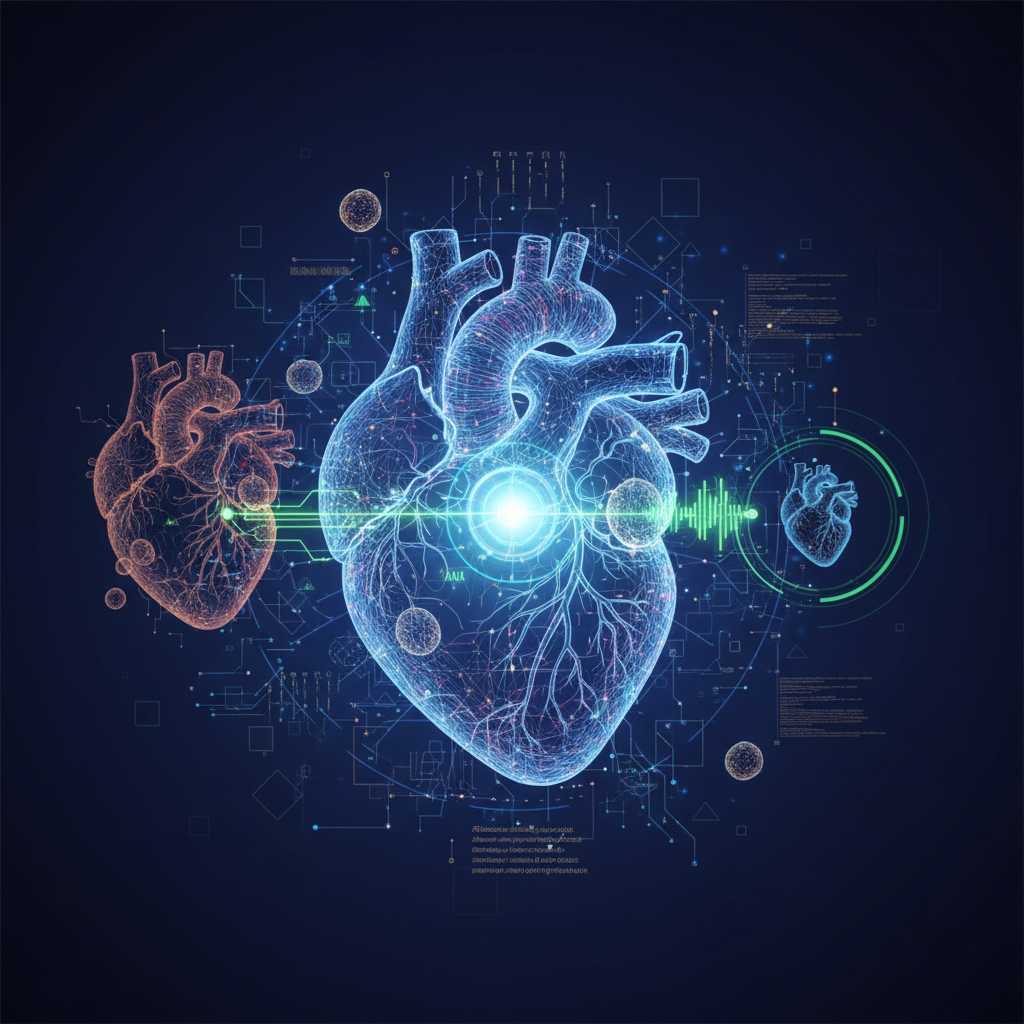
صورة تخطيط صدى القلب المدعومة بالذكاء الاصطناعي المستخدمة لتشخيص قصور القلب المتقدم

إحداث ثورة في تشخيص قصور القلب المتقدم باستخدام الذكاء الاصطناعي

يمثل قصور القلب المتقدم، وهو حالة منهكة تصيب مئات الآلاف حول العالم، تحديًا تشخيصيًا كبيرًا منذ فترة طويلة. غالبًا ما يعاني المرضى من تأخر التشخيص بسبب الطبيعة المعقدة والمكلفة لموارد طرق التقييم الحالية. ومع ذلك، فإن دراسة رائدة أجراها فريق تعاوني في Weill Cornell Medicine و Cornell Tech و Cornell Ann S. Bowers College of Computing and Information Science و Columbia University Vagelos College of Physicians and Surgeons و NewYork-Presbyterian تستعد لتغيير هذا المشهد. لقد نجح الباحثون في تطوير واختبار أداة مدعومة بالذكاء الاصطناعي يمكنها تحديد المرضى المصابين بقصور القلب المتقدم بدقة عالية باستخدام بيانات الموجات فوق الصوتية للقلب الروتينية والسجلات الصحية الإلكترونية (EHRs). يعد هذا النهج المبتكر بإضفاء الطابع الديمقراطي على التشخيص وتحسين رعاية المرضى بشكل كبير.

عنق الزجاجة التشخيصي: لماذا الذكاء الاصطناعي حاسم

في الوقت الحالي، يعتمد التشخيص النهائي لقصور القلب المتقدم بشكل كبير على اختبار الجهد القلبي الرئوي (CPET). على الرغم من فعاليته، فإن CPET هو إجراء متخصص يتطلب معدات باهظة الثمن وموظفين مدربين تدريباً عالياً، مما يجعله متاحًا بشكل أساسي فقط في المراكز الطبية الأكاديمية الكبيرة. وهذا يخلق عنق زجاجة تشخيصيًا كبيرًا، مما يؤدي إلى عدم خدمة أو تشخيص ما يقدر بنحو 200 ألف أمريكي يعانون من قصور القلب المتقدم كل عام. يؤدي نقص الوصول الواسع النطاق إلى CPET إلى فقدان العديد من المرضى فرصة التدخلات والعناية المتخصصة في الوقت المناسب.

تعالج الطريقة الجديدة المدعومة بالذكاء الاصطناعي هذه المشكلة بشكل مباشر من خلال توفير حل تشخيصي أكثر سهولة وقابلية للتوسع. يوضح الدكتور فاي وانج، العميد المشارك للذكاء الاصطناعي وعلوم البيانات وأستاذ فرنسيس وجون إل. لوب للمعلوماتية الطبية في Weill Cornell Medicine، والمؤلف الرئيسي للدراسة: "يفتح هذا الطريق الواعد لتقييم أكثر كفاءة للمرضى الذين يعانون من قصور القلب المتقدم باستخدام مصادر البيانات المدمجة بالفعل في الرعاية الروتينية". من خلال التنبؤ بالحد الأقصى لاستهلاك الأكسجين (peak VO2) — وهو المقياس الأكثر أهمية في CPET — من صور الموجات فوق الصوتية وبيانات السجلات الصحية الإلكترونية التي يسهل الحصول عليها، يتجاوز نموذج الذكاء الاصطناعي القيود التقليدية، مما يضمن إمكانية تحديد المزيد من المرضى وتلقيهم الرعاية المناسبة.

نهج ذكاء اصطناعي متعدد الوسائط لأمراض القلب الدقيقة

تأتي القدرة الملحوظة لأداة الذكاء الاصطناعي من نموذجها المعقد للتعلم الآلي متعدد الوسائط ومتعدد الحالات. تم تطوير هذا النموذج بواسطة فريق الدكتور وانج، بما في ذلك المؤلفين الرئيسيين الدكتور زهي هوانغ والدكتور ويزن بان، ويمكنه معالجة عدة أنواع متميزة من البيانات في وقت واحد، مما يوفر رؤية شاملة لصحة قلب المريض.

نوع البياناتالوصفالدور في نموذج الذكاء الاصطناعي
الموجات فوق الصوتية المتحركة العاديةصور ديناميكية تظهر بنية ووظيفة القلبمؤشرات بصرية لانقباض عضلة القلب وأحجام الغرف وحركة الجدار
صور الموجاتتمثيلات رسومية لديناميكيات صمامات القلب وأنماط تدفق الدمرؤى حول تشوهات تدفق الدم ووظائف الصمامات
السجلات الصحية الإلكترونيةالمعلومات الديموغرافية للمريض، والتاريخ الطبي، ونتائج المختبر، والأدوية، إلخ.معلومات سياقية لملف تعريفي شامل للمريض

تتيح هذه القدرة على دمج وتفسير تدفقات البيانات المتنوعة للذكاء الاصطناعي تعلم أنماط معقدة تشير إلى قصور القلب المتقدم والتي قد لا يتم اكتشافها من خلال تحليل البيانات المعزولة. تم تدريب النموذج بدقة باستخدام بيانات غير معرفة من 1000 مريض قصور قلب في NewYork-Presbyterian/Columbia University Irving Medical Center. بعد التدريب، تم التحقق من أداء النموذج على مجموعة جديدة من 127 مريض قصور قلب من ثلاثة فروع أخرى لـ NewYork-Presbyterian. كانت النتائج مقنعة، حيث أظهرت دقة إجمالية تبلغ حوالي 85% في التمييز بين المرضى المعرضين لمخاطر عالية. تشير هذه الدقة العالية إلى فائدتها المحتملة في الإعدادات السريرية الواقعية، مما يوفر معيارًا جديدًا لـ تقييم وكلاء الذكاء الاصطناعي للإنتاج في التشخيص الطبي.

نتائج واعدة وابتكار تعاوني

يعد نجاح أداة الذكاء الاصطناعي هذه شهادة على قوة التعاون متعدد التخصصات، وهو سمة مميزة لمبادرة الذكاء الاصطناعي للقلب والأوعية الدموية، وهي جهد أوسع تبذله Cornell و Columbia و NewYork-Presbyterian. لعب الدكتور نير أورييل، مدير قصور القلب المتقدم وزراعة القلب في NewYork-Presbyterian، دورًا محوريًا في بدء المشروع. روى: "في البداية، قمنا بتشكيل مجموعة تضم أكثر من 40 أخصائيًا في قصور القلب وطلبنا منهم إخبارنا أين يعتقدون أن الذكاء الاصطناعي يمكن تطبيقه على أفضل وجه". ضمن هذا النهج الذي يقوده الأطباء أن حل الذكاء الاصطناعي يعالج بشكل مباشر حاجة سريرية حرجة.

أكدت الدكتورة ديبورا إسترين، العميد المساعد للتأثير في Cornell Tech، على العلاقة التكافلية: "إن التفاعل الوثيق بين الأطباء وباحثي الذكاء الاصطناعي في هذا المشروع أدى في النهاية إلى تطوير تقنيات ذكاء اصطناعي جديدة لم يتم استكشافها بخلاف ذلك. لذلك، كانت هذه حالة من الطب يشكل مستقبل الذكاء الاصطناعي - وليس فقط الذكاء الاصطناعي يشكل مستقبل الطب". كان هذا الروح التعاوني، الذي يربط الخبرة السريرية بأبحاث الذكاء الاصطناعي المتطورة، أمرًا حاسمًا لتطوير أداة قوية وذات صلة سريريًا. تعد هذه الشراكات ضرورية لتعزيز تطبيقات الذكاء الاصطناعي في المجالات الحساسة مثل الرعاية الصحية، حيث تكون خصوصية البيانات والاعتبارات الأخلاقية ذات أهمية قصوى. تتطور الجهود حول خصوصية المؤسسات في التعامل مع البيانات الطبية باستمرار.

تمهيد الطريق للدمج السريري والتأثير المستقبلي

تمثل النتائج الواعدة لهذه الدراسة خطوة مهمة نحو دمج الذكاء الاصطناعي في رعاية القلب والأوعية الدموية الروتينية. يخطط فريق البحث بالفعل لإجراء دراسات سريرية، وهي مرحلة ضرورية للحصول على موافقة إدارة الغذاء والدواء الأمريكية (FDA) والاعتماد السريري الواسع النطاق لاحقًا. أكد الدكتور أورييل على الإمكانات التحويلية: "إذا تمكنا من استخدام هذا النهج لتحديد العديد من مرضى قصور القلب المتقدم الذين لن يتم تحديدهم بخلاف ذلك، فإن هذا سيغير ممارستنا السريرية ويحسن بشكل كبير نتائج المرضى وجودة حياتهم".

تمثل أداة الذكاء الاصطناعي هذه أكثر من مجرد تقدم تكنولوجي؛ إنها تحول نموذجي في كيفية تشخيص قصور القلب المتقدم، مما يجعل الطب الدقيق أكثر سهولة. من خلال الاستفادة من البنية التحتية الحالية (أجهزة الموجات فوق الصوتية) والبيانات المتاحة على نطاق واسع (EHRs)، يقلل النموذج من حواجز الكشف المبكر، مما يضمن حصول المزيد من المرضى على علاجات منقذة للحياة في الوقت المناسب. سيُلهم نجاح هذه المبادرة بلا شك المزيد من الاستكشاف لدور الذكاء الاصطناعي في مختلف التخصصات الطبية، مما يعزز في النهاية دقة التشخيص ورعاية المرضى في جميع المجالات.

الأسئلة الشائعة

What is advanced heart failure and why is its diagnosis challenging?
Advanced heart failure is a severe, chronic condition where the heart struggles to pump enough blood to meet the body's needs, significantly impacting quality of life and prognosis. Diagnosing this condition accurately is critically challenging due to its complex nature and the limitations of current standard diagnostic procedures. The gold standard, cardiopulmonary exercise testing (CPET), requires specialized equipment and highly trained personnel, making it accessible only in large, tertiary medical centers. This bottleneck means that a vast number of patients who could benefit from advanced therapies are often overlooked or diagnosed late, delaying crucial interventions and worsening outcomes. The difficulty in early and widespread detection underscores the urgent need for more accessible and efficient diagnostic methods, which this new AI tool aims to provide by simplifying the diagnostic pathway and democratizing access to timely identification of the condition.
How does the new AI tool specifically improve upon existing diagnostic methods like CPET?
The AI tool developed by Weill Cornell Medicine and its partners represents a significant leap forward by overcoming the inherent limitations of CPET. Unlike CPET, which demands specialized facilities and staff, the AI model utilizes readily available cardiac ultrasound images and electronic health records (EHRs)—data sources routinely collected in most clinical settings. By processing these common data types, the AI can predict peak oxygen consumption (peak VO2), the most crucial measure derived from CPET, with high accuracy. This dramatically reduces the need for expensive, time-consuming, and resource-intensive CPETs. The improvement lies in its scalability and accessibility; it transforms a complex diagnostic process into one that can be integrated into routine clinical care, potentially identifying tens of thousands more patients who would otherwise go undiagnosed due to geographical or resource constraints.
What types of data does the AI model leverage for its predictions?
The innovative AI model is a multi-modal, multi-instance machine learning system, designed to synthesize information from diverse clinical data sources for a comprehensive assessment. It specifically processes three distinct categories of data. Firstly, it analyzes ordinary moving ultrasound images of the heart, capturing critical visual information about cardiac structure and function. Secondly, it incorporates related waveform imagery, which displays intricate details of heart valve dynamics and blood flow patterns. Lastly, the model integrates various items found in the patient’s electronic health records (EHRs), including demographic information, medical history, lab results, and other clinical parameters. The ability to combine and interpret these disparate data types allows the AI to develop a holistic understanding of a patient's cardiac health, leading to more accurate predictions.
What was the accuracy of the AI model in predicting peak VO2, and what does this mean clinically?
The AI model achieved a remarkable overall accuracy of roughly 85% in predicting peak VO2, which is a significant indicator for distinguishing high-risk patients with advanced heart failure. This figure was measured using a metric that assesses the probability of a randomly chosen high-risk patient having a higher predicted risk than a randomly chosen lower-risk patient. Clinically, an 85% accuracy suggests that the tool is highly effective and reliable in identifying individuals who require advanced heart failure care. This level of precision means that the AI can act as a powerful screening or supplementary diagnostic tool, helping clinicians more confidently and quickly identify patients who would benefit most from further evaluation or specialized treatments. This promising result paves the way for potential FDA approval and widespread adoption in healthcare.
Which institutions and key individuals collaborated on the development of this AI tool?
This groundbreaking study was the result of a highly collaborative effort involving several leading institutions and prominent experts. Key collaborating entities included Weill Cornell Medicine, Cornell Tech, Cornell Ann S. Bowers College of Computing and Information Science, Columbia University Vagelos College of Physicians and Surgeons, and NewYork-Presbyterian. The study was senior-authored by Dr. Fei Wang, Associate Dean for AI and Data Science at Weill Cornell Medicine. Other pivotal contributors included Dr. Deborah Estrin, Associate Dean for Impact at Cornell Tech, and Dr. Nir Uriel, Director of Advanced Heart Failure and Cardiac Transplantation at NewYork-Presbyterian. The AI team, under Dr. Wang, also included lead authors Dr. Zhe Huang and Dr. Weishen Pan, along with students and faculty from Cornell Bowers, highlighting a robust interdisciplinary approach to medical innovation.
What are the next steps for bringing this AI diagnostic tool into routine clinical practice?
The research team is actively planning the crucial next steps required to transition this promising AI diagnostic tool from a research finding to routine clinical practice. The immediate focus will be on conducting extensive clinical studies. These studies are essential to further validate the model's performance in diverse patient populations and real-world clinical settings, gathering the robust evidence necessary for regulatory approvals. Achieving U.S. Food and Drug Administration (FDA) approval is a critical milestone for widespread adoption. Following approval, efforts will concentrate on integrating the AI tool seamlessly into existing healthcare workflows and electronic health record systems. The ultimate goal is to enable clinicians to easily leverage this technology, ensuring more patients with advanced heart failure are identified and receive appropriate care in a timely manner, transforming current diagnostic paradigms.
How does this research embody the intersection of medicine and AI innovation?
This research project serves as a prime example of how the synergy between medicine and AI innovation can drive transformative advancements in healthcare. It began with clinicians, specifically heart failure specialists, identifying a critical unmet need—the diagnostic bottleneck for advanced heart failure. This clinical challenge then inspired AI experts to develop novel machine learning techniques, demonstrating a unique 'medicine shaping AI' dynamic. The multi-modal AI model, capable of interpreting complex medical images and electronic health records, showcases AI's potential to extract subtle, actionable insights that might elude human analysis or standard tests. This interdisciplinary approach not only addresses a significant clinical problem but also pushes the boundaries of AI research, developing models specifically tailored for the intricacies of medical data and clinical decision-making. It highlights the power of collaborative innovation in solving real-world healthcare issues.
What are the broader implications of this AI tool for patient care and healthcare systems?
The broader implications of this AI diagnostic tool for patient care and healthcare systems are profound. Firstly, it promises to significantly improve patient outcomes and quality of life by enabling earlier and more accurate identification of advanced heart failure. This means patients can receive timely interventions, advanced therapies, or even transplantation referrals, preventing disease progression and reducing mortality. Secondly, it addresses health disparities by making advanced diagnostic capabilities accessible beyond specialized centers, potentially reaching underserved populations. For healthcare systems, the tool could lead to more efficient resource allocation, reducing the burden on CPET facilities and streamlining diagnostic pathways. It also sets a precedent for how AI can be integrated into routine care to augment clinical decision-making, offering a scalable solution to complex medical challenges and enhancing the overall precision and accessibility of cardiovascular medicine.

ابقَ على اطلاع

احصل على آخر أخبار الذكاء الاصطناعي في بريدك.

مشاركة