

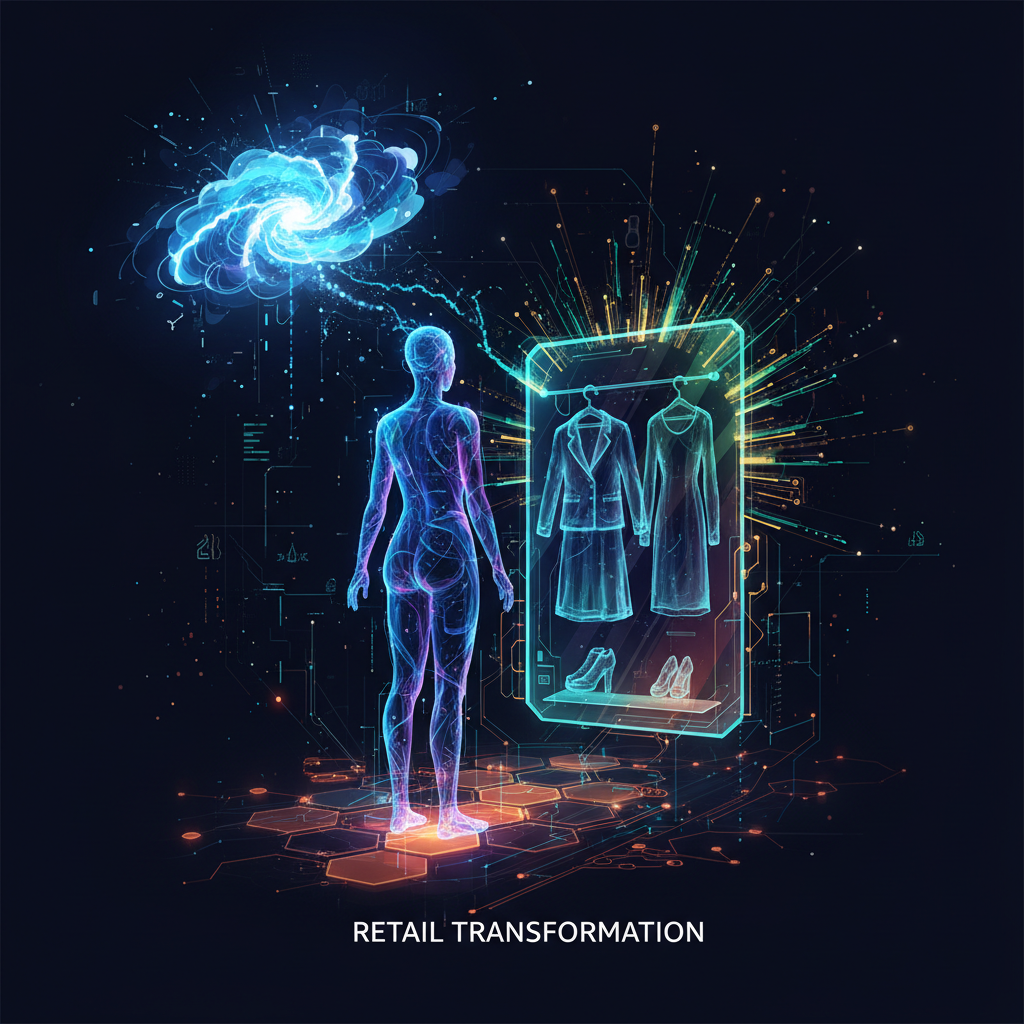
利用生成式 AI 提升零售体验,打造沉浸式购物体验
电子商务格局虽然便捷,却给在线零售商带来了持续的挑战。购物者常常难以想象产品,尤其是服装、家具或配饰,在现实场景中会如何合身或呈现。这种不确定性经常导致产品退货率增加、购买信心下降以及企业运营成本显著上升。然而,消费者越来越渴望获得更具沉浸感和互动性的购物体验,以弥合虚拟浏览与实体店购物的真实感受之间的鸿沟。为了满足这一需求并缓解常见的痛点,零售商正转向生成式 AI 等尖端技术。
AWS 走在这场转型的前沿,提供了一套强大的生成式 AI 服务,赋能零售商构建创新解决方案。本文探讨了如何在 AWS 上构建一个复杂的虚拟试穿和推荐系统,利用 Amazon Nova Canvas、Amazon Rekognition 和 Amazon OpenSearch Serverless 等服务。这样的解决方案不仅能提高购买信心、降低退货率,还能直接转化为更高的盈利能力和客户满意度。对于开发零售解决方案的 AWS 合作伙伴或探索生成式 AI 潜力的零售商而言,理解这种架构和实施方法对于部署真正变革性的体验至关重要。
AWS 零售 AI 解决方案的核心功能
这款由 AI 驱动的无服务器零售解决方案旨在提供一套全面的功能,重新定义在线购物旅程。它集成了四项主要功能,每项功能都旨在解决电子商务体验中的关键方面:
| 功能 | 描述 | 关键 AWS 服务 |
|---|---|---|
| 虚拟试穿 | 生成客户“穿着”或“使用”产品的高度逼真视觉效果。这有助于购物者在上下文中设想产品,显著提升购买信心并降低退货可能性。 | Amazon Nova Canvas, Amazon Rekognition |
| 智能推荐 | 提供智能的、视觉感知的商品推荐。通过理解商品之间复杂的风格关系和视觉相似性,系统提供符合客户偏好和当前趋势的个性化推荐。 | Amazon Titan Multimodal Embeddings |
| 智能搜索 | 通过自然语言查询实现直观的产品发现。系统处理客户意图以提供高度相关的搜索结果,超越关键词匹配,更深入地理解客户需求,利用向量相似性匹配。 | OpenSearch Serverless |
| 分析与洞察 | 实时跟踪和分析客户互动、偏好和新兴趋势。这些数据对于优化库存管理、调整商品销售策略和个性化未来的客户体验至关重要。 | Amazon DynamoDB |
这些集成功能协同工作,共同打造更具吸引力、个性化和高效的购物体验,最终推动销售并培养客户忠诚度。
无服务器架构:赋能可扩展的零售 AI
这款先进零售解决方案的基础是无服务器 AWS 基础设施,经过精心设计,旨在实现可扩展性、效率和易于部署。该架构利用微服务方法,确保每个组件都可以独立扩展和更新,而不会影响整个系统。
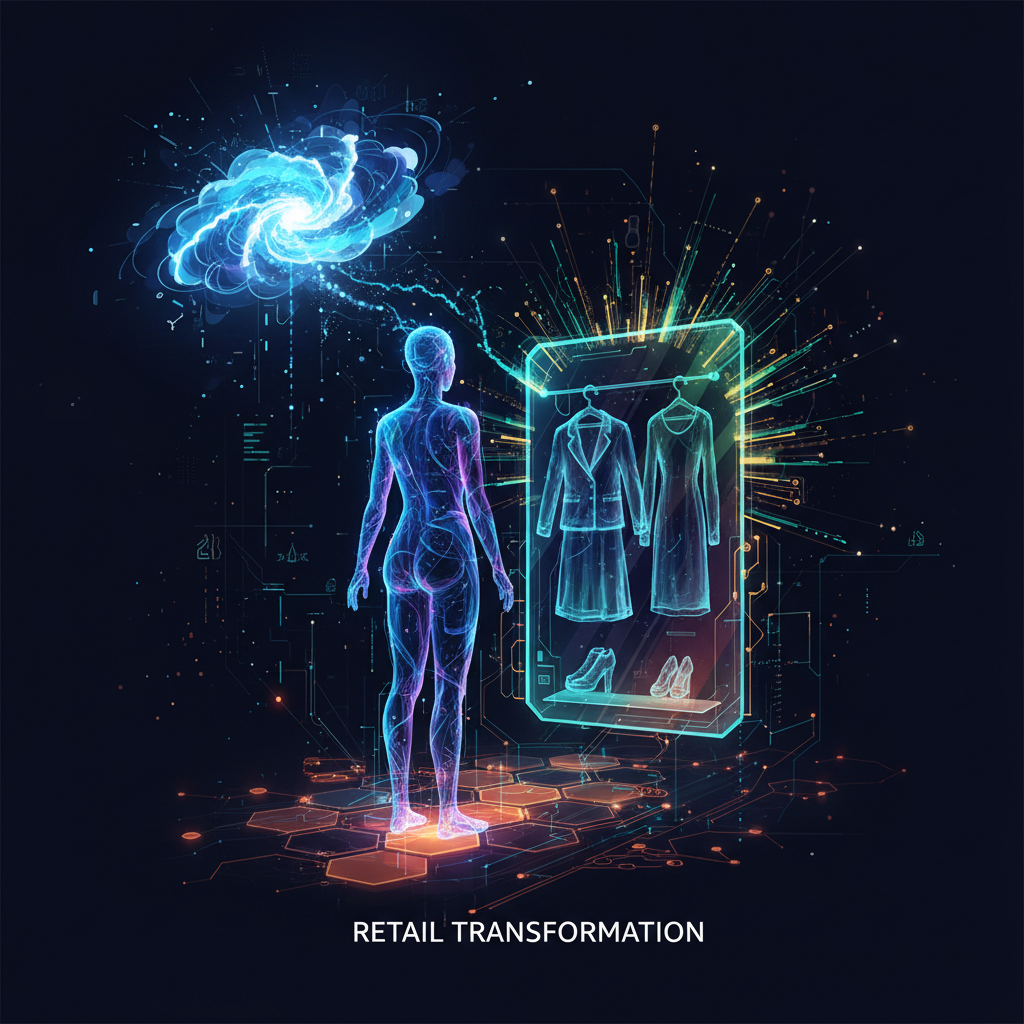
该解决方案的核心是利用五个专门的 AWS Lambda 函数,每个函数都针对不同的任务进行了优化:处理 Web 前端(充当聊天机器人界面)、处理虚拟试穿请求、生成推荐、摄取数据集以及促进智能搜索查询。Amazon S3 存储桶为产品图片和其他资产提供安全且可扩展的存储。对于向量相似性搜索,Amazon OpenSearch Serverless 确保了快速准确的产品发现。Amazon DynamoDB 则高效管理实时分析和客户互动跟踪。
该解决方案使用 AWS 无服务器应用模型 (AWS SAM) 构建,可以通过单个命令进行部署,并根据需求自动扩展。它实施了预留并发限制以防止资源争用,同时 Amazon API Gateway 缓存和预签名 URL 优化了性能并确保了流畅的用户体验。这种模块化的无服务器设计不仅简化了管理,还为将单个功能或完整解决方案集成到现有零售生态系统中提供了极大的灵活性。通过 理解 Amazon Bedrock 模型生命周期 了解更多关于管理 Bedrock 模型及其生命周期的信息。有关扩展 AI 计划的见解,请考虑探索 为所有人扩展 AI。
无缝部署的先决条件
在着手部署这款复杂的 AWS 生成式 AI 零售解决方案之前,确保所有必要的先决条件都已到位至关重要。正确配置这些项目将保证顺利成功的实施。
AWS 账户设置:
- 一个拥有管理权限的活跃 AWS 账户。
- 已安装并配置适当凭证的 AWS 命令行界面 (AWS CLI)。
- 此解决方案要求 Amazon Nova Canvas、Amazon Titan Multimodal Embeddings、Amazon Rekognition 和 Amazon OpenSearch Serverless 在所选 AWS 区域可用。建议在 US East (N. Virginia) –
us-east-1区域部署,以获得所有必需服务的最佳可用性。在其他区域部署之前,请务必通过 AWS 官方文档验证 Amazon Bedrock 模型的区域支持情况。
Amazon Bedrock 模型访问:
Amazon Bedrock 基础模型,包括此解决方案中使用的 Amazon Nova Canvas 和 Amazon Titan Embeddings,现在在所有商业区域的 AWS 账户中首次调用时会自动启用。虽然无需手动启用,但首次使用的用户在初次模型调用期间可能会遇到轻微延迟,因为服务需要配置访问权限。
AWS 服务权限:
用于部署 AWS SAM 模板的 IAM 角色必须拥有一套全面的权限,以便创建和管理所涉及的各种 AWS 资源。这些权限包括:
- 创建和管理 Lambda 函数
- S3 存储桶创建和对象管理
- Amazon OpenSearch Serverless 集合创建
- DynamoDB 表创建和数据访问
- Amazon Bedrock 模型调用(适用于 Nova Canvas 和 Titan)
- Amazon Rekognition 服务访问
- AWS CloudFormation 堆栈管理
- API Gateway 创建和配置
开发环境:
一个正确配置的本地开发环境也至关重要:
- 已安装 AWS SAM CLI 1.50.0 或更高版本。
- Python 3.9 或更高版本,并附带
pip包管理器。 - 用于克隆仓库和版本控制的 Git。
- 用于修改配置文件和代码的首选文本编辑器或集成开发环境 (IDE)。
确保满足这些先决条件将为您的生成式 AI 零售解决方案的简化部署过程和成功运行铺平道路。有关 AI 中高级数据处理的更多背景信息,请参阅 大规模多模态嵌入:面向媒体和娱乐工作负载的 AI 数据湖。
部署您的虚拟试穿解决方案
这款生成式 AI 零售解决方案的部署过程通过 AWS SAM 进行了简化,它抽象了基础设施预置的许多复杂性。请按照以下步骤将应用程序构建并部署到您的 AWS 账户中。
步骤 1:仓库设置
首先,从 GitHub 克隆解决方案的代码仓库。这将为您提供所有必需的项目文件和模板。
git clone https://github.com/aws-samples/sample-genai-virtual-tryon.git
cd VirtualTryOne-GenAI
进入项目目录后,熟悉其结构。关键文件包括 template.yaml(定义所有 AWS 资源)、requirements.txt(列出 Lambda 函数的 Python 依赖项)以及 Lambda 函数源文件。
步骤 2:依赖安装
接下来,安装 requirements.txt 中指定的所有必需 Python 包。这些依赖项对于图像处理、与 AWS SDK 交互、OpenSearch 连接以及解决方案的其他核心组件等功能至关重要。
pip install -r requirements.txt
步骤 3:SAM 构建过程
AWS SAM 的 build 命令会处理您的应用程序,为部署做好准备。此步骤包括打包 Lambda 函数、解析依赖项、创建必要的层包以及验证 SAM 模板语法。
sam build
此命令会生成 AWS CloudFormation 将用于预置资源的部署工件。
步骤 4:引导式部署
对于初次部署,强烈建议使用引导式部署选项。这个交互式过程将提示您输入必要的配置详细信息,确保量身定制的设置。
sam deploy --guided
在引导式部署过程中,您将被要求提供:
- 堆栈名称: 为您的 CloudFormation 堆栈选择一个唯一的名称。
- AWS 区域: 指定您希望部署解决方案的 AWS 区域(例如,
us-east-1)。 - 参数值: 您可能会被要求提供
template.yaml中定义的特定参数,这些参数可以自定义部署的各个方面。
提供这些详细信息后,AWS SAM 将继续部署整个无服务器基础设施,包括 Lambda 函数、S3 存储桶、DynamoDB 表和 OpenSearch Serverless 集合,从而使您的生成式 AI 零售解决方案投入使用。
改造电子商务体验
将 AWS 生成式 AI 服务集成到零售领域,标志着在提供无与伦比的客户体验方面迈出了重要一步。通过虚拟试穿、智能推荐和智能搜索解决在线购物中可视化的关键挑战,零售商可以显著增强购买信心、最大限度地减少退货并促进更强的客户参与度。无服务器架构确保了这些创新解决方案不仅功能强大,而且可扩展、经济高效且易于维护。
这种模块化设计提供了极大的灵活性,使 AWS 合作伙伴和个体零售商都能根据其特定需求定制和扩展解决方案,无论是实施单一功能还是全套功能。提供的 GitHub 仓库,包含文档和实用脚本,赋能开发人员快速采用和调整这项尖端技术。最终,利用 AWS 生成式 AI 将数字店面转变为一个沉浸式、个性化且高效的购物目的地,为电子商务这个充满活力的世界带来更高的盈利能力和持久的客户忠诚度。
常见问题
What is the primary challenge this AWS Generative AI solution addresses for online retailers?
Which AWS Generative AI services are central to the virtual try-on capability?
How does the solution improve product discovery and recommendations for customers?
What are the benefits of using a serverless architecture for this retail AI solution?
What are the key prerequisites for deploying this AWS Generative AI virtual try-on solution?
Can this solution be customized or extended for specific retail needs?
保持更新
将最新AI新闻发送到您的收件箱。