

Code Velocity
企业AI

AI工厂令牌生产:NVIDIA Mission Control 3.0 提升效率

·7 分钟阅读·NVIDIA·原始来源
分享
NVIDIA Mission Control 3.0 仪表盘显示AI工厂令牌生产和运营效率的提升

在当今快速发展的AI领域,AI工厂的性能不仅仅是理论上的效率;它决定着经济可行性、竞争优势乃至生存。可用GPU时间哪怕只下降1%,每小时也可能导致数百万令牌的损失,而几分钟的网络拥堵则可能演变成数小时的艰苦恢复。此外,机架级的功率超额预订可能导致功率容量闲置,并大幅降低“每瓦令牌数”,从而大规模地悄然侵蚀工厂产出。随着AI工厂扩展到容纳数千个GPU,驱动多样化、任务关键型工作负载,不可预测的拥堵、严格的功率限制、持续的延迟以及有限的运营可见性所带来的财务和运营负担呈指数级增长。

现代运营团队和管理员不仅仅需要静态仪表盘;他们需要无与伦比的灵活性和前瞻性。这正是NVIDIA旨在通过 NVIDIA Mission Control 解决的挑战,这是一个基于NVIDIA基础参考架构构建的AI工厂集成软件栈,并在统一控制平面内规范了其最佳实践。Mission Control 3.0 版本将这一愿景进一步深化,引入了革命性的架构灵活性、强大的多组织隔离、智能功率编排和预测性AIOps,以检测异常并最大限度地提高令牌生产这一关键指标。
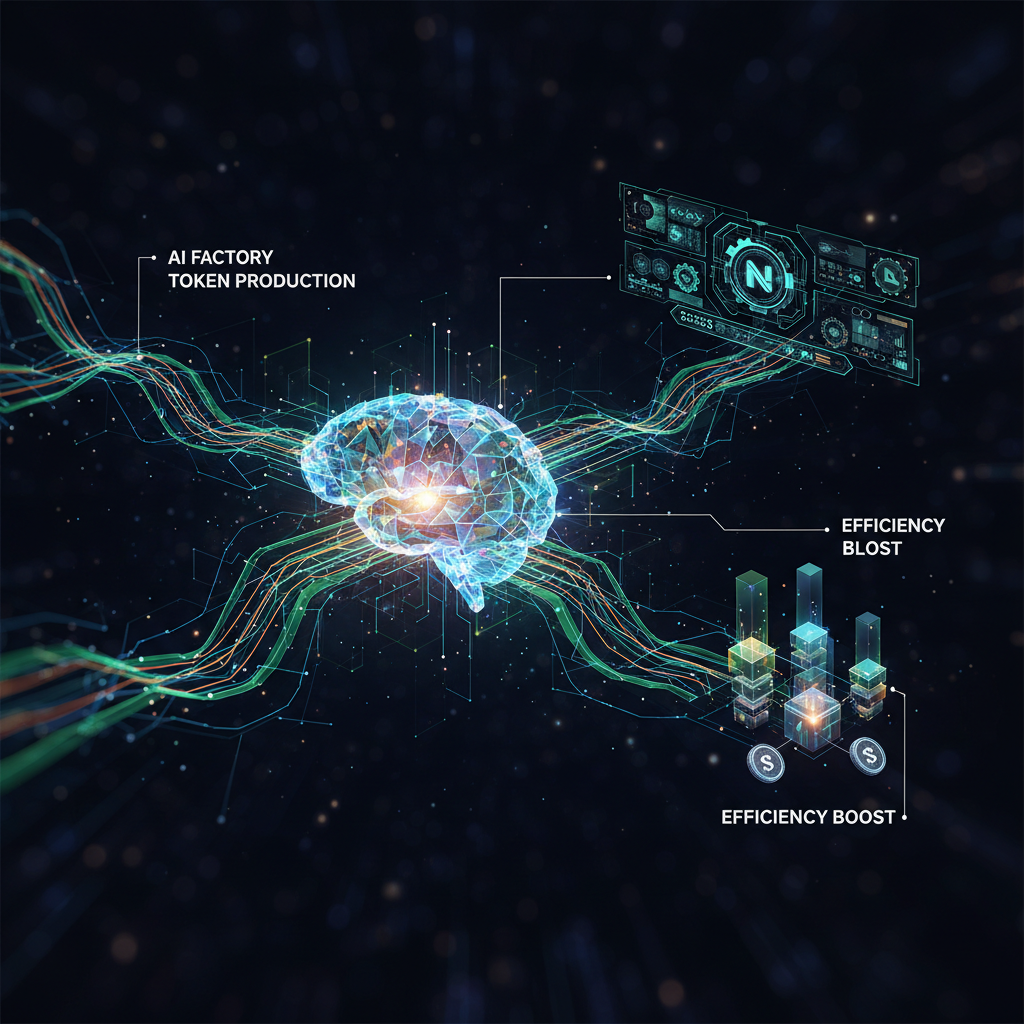
NVIDIA Mission Control 3.0 仪表盘显示AI工厂令牌生产和运营效率的提升 图1. NVIDIA Mission Control 提供经过验证的软件栈,包含用于运营敏捷性、监控和弹性的服务。

高效AI工厂运营的必要性

从理论基准到实际经济成果的转变,突显了AI工厂内部实现最高运营效率的迫切需求。这些不仅仅是数据中心;它们是复杂、动态的生态系统,其中每一兆瓦和每个GPU周期都直接与业务价值相关。运营效率低下(从意外停机到基础设施利用不足)的成本不断上升,这表明对能够主动管理而非被动救火的系统存在普遍需求。AI工厂运营商需要一个战略平台,不仅提供深刻的洞察力,还能主动优化其基础设施的各个方面,以防止性能瓶颈并最大限度地提高吞吐量。

用于AI速度的敏捷软件架构

NVIDIA Mission Control 3.0 通过一个完全重新设计的、分层、API驱动的框架,带来了前所未有的敏捷性。这种模块化设计代表着与之前紧密耦合的软件栈相比,一个显著的飞跃,后者通常需要跨无数硬件平台进行同步发布和复杂验证。通过采用模块化服务和开放组件,Mission Control 3.0 极大地加速了对最新NVIDIA硬件创新的支持。

这种架构演进为OEM系统提供商和独立软件供应商(ISV)带来了巨大优势,使他们能够将Mission Control功能直接嵌入到自己的生态系统中。其结果是为企业提供了无与伦比的灵活性和选择,使他们能够定制其软件栈,以精确满足独特的业务目标和技术需求,最终促进更快的AI速度和运营效率。

保护多租户AI工厂环境

当今组织面临的一个重大挑战是在共享的集中式AI工厂中安全地支持多组织隔离。随着这些环境从研究和实验中心转向生产级、任务关键型操作,对跨共享基础设施的强大组织隔离和安全ado租户的需求变得至关重要。

增强的Mission Control控制平面将AI工厂管理转变为复杂的软件定义虚拟化架构。Mission Control服务与物理管理节点解耦,并使用NVIDIA提供的自动化部署在基于KVM的平台上。虽然计算机架和管理节点对每个组织保持专用,但共享网络交换机通过逻辑分段实现强大的多租户功能:NVIDIA Spectrum-X Ethernet 使用 VXLAN,NVIDIA Quantum InfiniBand 使用 PKeys。这种创新方法显著减少了物理管理基础设施的占用空间,建立了硬租户隔离,并为多组织AI工厂奠定了安全基础,最终降低了总拥有成本。对于注重严格安全的企业,将 构建用于合规性证据收集的AI驱动系统 的解决方案与 Mission Control 3.0 集成,可以进一步增强治理和可审计性。

图示:Org 0、Org 1 到 Org n 网络,以及 NVIDIA Mission Control 服务(包括工作负载编排)之间的隔离。 图2. NVIDIA Mission Control 的多组织部署使用虚拟化技术,为每个需要网络隔离的组织提供专用计算和控制平面。

智能功率编排以最大化令牌数量

功率已成为AI工厂令牌生产日益关键、却往往“隐形”的制约因素。尽管每一代新的GPU都提供了指数级更高的性能,但由于公用事业成本和法规遵从等经济现实,设施功率包络仍然固定。核心挑战是如何在不超过这些严格的功率限制的情况下,最大限度地提高令牌输出和机架密度。

Mission Control 的早期版本提供了基本的功率管理功能,但它们主要是被动的——作业首先被调度,然后才执行功率策略。Mission Control 3.0 通过直接整合域功率服务,从根本上改变了这一点,将功率提升为一流的调度原语。该服务使组织能够通过将功率策略直接集成到工作负载放置中,主动优化令牌生产。它支持传统Slurm和Kubernetes原生工作负载,并通过 NVIDIA Run:ai 无缝编排,该平台现已完全集成到Mission Control栈中。

域功率服务支持MAX-P(最大性能)和MAX-Q(最大效率)配置文件,用于各种训练和推理任务。它还提供复杂的机架和拓扑感知保留转向,利用Mission Control与设施建筑管理系统的集成。一个引人注目的例子显示,一个数据中心在85%的功率下运行,使用MAX-Q配置文件时吞吐量仅损失7%。这种动态优化对于在现实场景中 加速AI从试点到生产 至关重要。

图示:域功率服务、楼宇管理系统和电网之间的连接,以及域功率服务、资源调度器和计算之间的连接。 图3. NVIDIA Mission Control 使用域功率服务进行全面的功率管理,持续监控并优化AI工厂中的功率利用率。

实时AIOps:从仪表盘到预测行动

除了新的功率管理服务之外,Mission Control 3.0 通过与NVIDIA AIOps Collector and Platform Stacks (NACPS) 集成,显著增强了现有的异常检测能力。这种强大的集成推动了AI驱动的预测性异常检测,使运营超越了被动监控。NACPS 的核心是一个复杂的AI集群模型——一个基于图的表示,它提供了所有基础设施组件的拓扑感知视图。这包括GPU、NVIDIA NVLink 横向扩展、NVIDIA Spectrum-X Ethernet 或 NVIDIA Quantum InfiniBand 东西向横向扩展,以及 NVIDIA BlueField DPU 南北向网络。通过将这种细粒度的基础设施视图与集群模型中的作业拓扑相结合,NACPS 利用无监督和有监督机器学习,结合NLP驱动的日志分析,来识别细微的异常并预测潜在的性能下降。这使得自动化修复工作流得以实现,最大限度地减少停机时间,并确保关键AI工作负载的最高可能正常运行时间。

功能类别之前 Mission Control 方法Mission Control 3.0 (新)主要优势
架构紧密耦合,单体模块化,API驱动,开放组件增强敏捷性,更快的硬件集成,OEM/ISV灵活性
多租户基本的,资源级分离虚拟化,VXLAN/PKeys隔离,专用控制安全,经济高效共享,降低TCO,硬租户分离
功率管理被动策略执行主动的一流调度原语,域服务最大化每瓦令牌数,优化性能/效率,动态控制
AIOps与异常检测仪表盘,基于阈值预测性,AI驱动的NACPS,拓扑感知主动问题解决,最小化停机时间,提高可靠性
运营KPIs一般利用率指标令牌/GPU,机架,瓦特 (以输出为中心)直接与收入挂钩,优化资源使用,清晰的价值指标
工作负载编排特定于NVIDIA栈Slurm,Kubernetes (通过Run:ai) 集成广泛支持多样化AI工作负载,无缝调度

衡量成功:令牌生产作为最终KPI

Mission Control 3.0 从根本上重新定义了AI工厂的核心运营关键绩效指标(KPIs)。它超越了传统的利用率指标,现在成功的衡量标准直接是“每GPU、每机架、每瓦的令牌生产量”。这种以输出为中心的方法使AI工厂运营商能够积极微调和优化每兆瓦功率和每个计算周期,以实现最大化的令牌生成。这种与AI工厂基本输出的直接关联确保了每一个运营决策都直接有助于最大化收入产出和竞争优势,真正使令牌生产成为衡量AI工厂成功的最终标准。

NVIDIA Mission Control 3.0 是AI工厂管理领域的一次全面飞跃。通过集成灵活的架构、安全的ado租户、智能功率编排和预测性AIOps,它提供了优化AI工作负载、降低运营成本和加速企业AI创新步伐所需的工具。

常见问题

What is NVIDIA Mission Control 3.0 and how does it accelerate AI factory token production?
NVIDIA Mission Control 3.0 is an advanced software stack designed to optimize AI factory operations, built on NVIDIA reference architectures. It accelerates token production by providing a unified control plane with a modular, API-driven architecture, enabling rapid integration and customization. Key features include intelligent power orchestration, robust multi-organization isolation for secure multi-tenancy, and predictive AIOps for real-time anomaly detection and resolution, all aimed at maximizing GPU efficiency and output per watt. It transforms operational KPIs from traditional utilization metrics to a focus on direct token generation.
How does Mission Control 3.0 enhance flexibility and agility in AI factory environments?
Mission Control 3.0 introduces a layered, API-driven architecture with modular services, significantly improving agility compared to previous tightly coupled stacks. This design allows for rapid support of the latest NVIDIA hardware and enables OEMs and ISVs to seamlessly integrate Mission Control capabilities into their own ecosystems. Enterprises gain unprecedented flexibility and choice in their software stacks, allowing them to tailor solutions to specific business and technological needs, driving faster deployment and easier customization.
What are the benefits of the multi-organization isolation features in Mission Control 3.0?
The multi-organization isolation features in Mission Control 3.0 are crucial for secure and cost-effective sharing of AI infrastructure. By transforming the management stack into a software-defined, virtualized architecture with dedicated compute and management nodes per organization, it establishes hard tenant isolation. Network segmentation using VXLAN for Spectrum-X Ethernet and PKeys for Quantum InfiniBand further enhances security. This reduces the physical management infrastructure footprint, lowers the total cost of ownership, and allows operators to onboard multiple organizations onto shared infrastructure without compromising security or performance.
How does Mission Control 3.0 address power management constraints in AI factories?
Mission Control 3.0 elevates power management to a first-class scheduling primitive through its integrated domain power service. This proactive approach helps AI factories optimize token production within fixed power envelopes. It enables power-aware workload placement across Slurm and Kubernetes environments (via NVIDIA Run:ai), supports MAX-P and MAX-Q profiles for performance or efficiency, and leverages rack- and topology-aware reservation steering. This comprehensive system continuously monitors and optimizes power utilization, ensuring maximum token output per watt without exceeding facility limits.
What role does AIOps play in optimizing AI factory operations with Mission Control 3.0?
AIOps in Mission Control 3.0, powered by NVIDIA AIOps Collector and Platform Stacks (NACPS), provides advanced, predictive anomaly detection capabilities. At its core is an AI cluster model—a graph-based, topology-aware representation of infrastructure and workloads. This model combines unsupervised/supervised machine learning, natural language processing for log analysis, and automated remediation workflows. This integrated approach allows operators to move beyond reactive dashboards, proactively identifying and resolving potential performance-impacting issues in real-time, thereby minimizing downtime and maximizing the usable GPU time.
How does NVIDIA Mission Control 3.0 redefine key performance indicators for AI factories?
Mission Control 3.0 fundamentally redefines operational Key Performance Indicators (KPIs) for AI factories. Instead of focusing on traditional metrics like general resource utilization, it shifts the focus to concrete output measurements such as token production per GPU, per rack, and per watt. This change empowers AI factory operators to actively optimize every megawatt of power and every cycle of computing for maximal token generation. This direct correlation to output ensures that all operational efforts are aligned with maximizing the economic and competitive yield of the AI factory.
What is NVIDIA Run:ai and how does its integration benefit Mission Control 3.0 users?
NVIDIA Run:ai is a workload orchestration platform integrated into the Mission Control stack, designed to manage and optimize AI workloads across diverse environments. Its integration with Mission Control 3.0 brings significant benefits, particularly in power management. Run:ai enables power-aware workload placement for both traditional Slurm and Kubernetes-native workloads, allowing the domain power service to effectively apply MAX-P/MAX-Q profiles and optimize resource allocation based on power constraints. This ensures that AI factories can achieve optimal performance or efficiency, balancing throughput with power consumption.

保持更新

将最新AI新闻发送到您的收件箱。

分享