

NVIDIA Omniverse लाइब्रेरीज़ का अनावरण: फिजिकल एआई एकीकरण को सशक्त बनाना
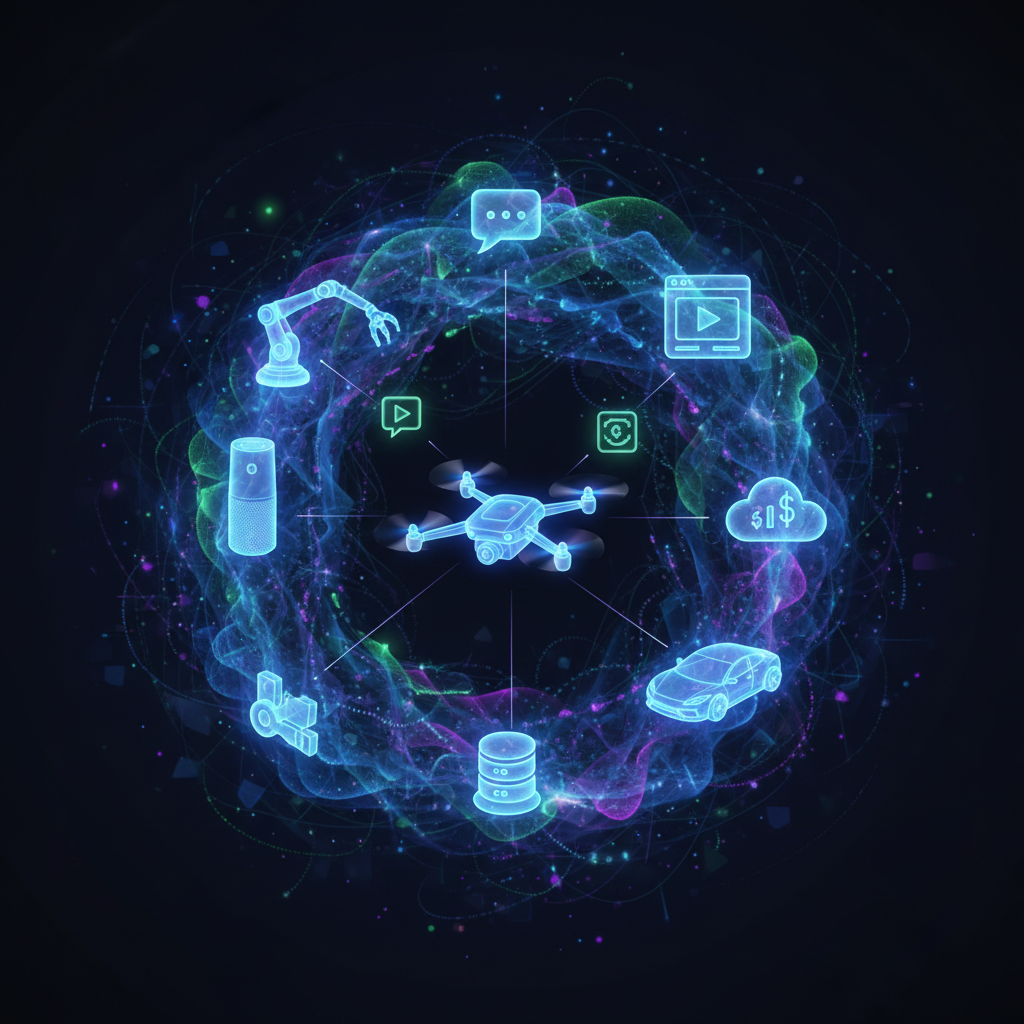
GTC 2026 में, NVIDIA ने अपने Omniverse प्लेटफॉर्म के लिए एक महत्वपूर्ण विकास की घोषणा की, जिसमें एक मॉड्यूलर, लाइब्रेरी-आधारित आर्किटेक्चर पेश किया गया, जिसे मौजूदा अनुप्रयोगों में उन्नत फिजिकल एआई क्षमताओं को सहजता से एकीकृत करने के लिए डिज़ाइन किया गया है। यह प्रतिमान बदलाव औद्योगिक और रोबोटिक्स विकास में एक महत्वपूर्ण आवश्यकता को पूरा करता है, जहाँ मोनोलिथिक रनटाइम अक्सर स्केलेबिलिटी, हेडलेस डिप्लॉयमेंट और स्थापित CI/CD सिस्टम के साथ एकीकरण में बाधा डालते हैं। कोर Omniverse घटकों—RTX रेंडरिंग, PhysX-आधारित सिमुलेशन, और डेटा स्टोरेज पाइपलाइन—को C++ और Python बाइंडिंग के साथ स्टैंडअलोन C APIs के रूप में उजागर करके, NVIDIA डेवलपर्स को पूर्ण आर्किटेक्चरल ओवरहाल की आवश्यकता के बिना शक्तिशाली वास्तविक समय डिजिटल ट्विन और फिजिकल एआई कार्यक्षमताओं को एम्बेड करने में सक्षम बना रहा है। यह मॉड्यूलरिटी उच्च-विश्वसनीयता सिमुलेशन तक पहुंच का लोकतंत्रीकरण करती है, जिससे फिजिकल एआई उद्यमों की एक विस्तृत श्रृंखला के लिए एक प्राप्त करने योग्य वास्तविकता बन जाती है।
फिजिकल एआई, जिसे एआई सिस्टम के रूप में परिभाषित किया गया है जो भौतिक रूप से जमीनी सिमुलेटेड वातावरण के भीतर समझते हैं, तर्क करते हैं और कार्य करते हैं, तेजी से उद्योगों को जटिल प्रणालियों को डिजाइन और मान्य करने के तरीके को बदल रहा है। रोबोटिक आर्म आंदोलनों से लेकर पूरे कारखाने के लेआउट तक, डिजिटल ट्विन वातावरण में एआई नीतियों को प्रशिक्षित और मान्य करने से लागत में भारी कमी आती है और विकास चक्र तेज होते हैं। नई Omniverse लाइब्रेरीज़, जिनमें 'ovrtx', 'ovphysx', और 'ovstorage' शामिल हैं, इस परिवर्तन की आधारशिला बनने के लिए तैयार हैं, जिससे व्यवसायों को NVIDIA की अत्याधुनिक सिमुलेशन तकनीक के साथ अपने मालिकाना सॉफ्टवेयर को भरने की अनुमति मिलती है।
सहज फिजिकल एआई एकीकरण के लिए मॉड्यूलर आर्किटेक्चर
एक लाइब्रेरी-फर्स्ट आर्किटेक्चर की शुरुआत मौलिक रूप से बदल देती है कि डेवलपर्स NVIDIA Omniverse इकोसिस्टम के साथ कैसे इंटरैक्ट करते हैं। एक व्यापक एप्लिकेशन फ्रेमवर्क अपनाने के बजाय, टीमें अब Omniverse रेंडरिंग, भौतिकी और स्टोरेज APIs को सीधे अपनी प्रक्रियाओं और सेवाओं से कॉल कर सकती हैं। यह दृष्टिकोण फ्रेमवर्क लॉक-इन, UI निर्भरता और आर्किटेक्चरल कठोरता से जुड़ी चुनौतियों को समाप्त करता है जो अक्सर बड़े पैमाने पर सॉफ्टवेयर अपनाने के साथ आती हैं।
यह मॉड्यूलर डिजाइन विशेष रूप से स्थापित सॉफ्टवेयर स्टैक वाले डेवलपर्स के लिए फायदेमंद है, जिससे उन्हें विघटनकारी आर्किटेक्चरल रीराइट के बिना Omniverse की शक्तिशाली क्षमताओं का लाभ उठाने की अनुमति मिलती है। लाइब्रेरीज़ को हेडलेस-फर्स्ट डिप्लॉयमेंट के लिए डिज़ाइन किया गया है, जो मांग वाले औद्योगिक और रोबोटिक्स अनुप्रयोगों के लिए इष्टतम प्रदर्शन और स्केलेबिलिटी सुनिश्चित करता है। NVIDIA द्वारा यह रणनीतिक कदम लचीलेपन और डेवलपर-केंद्रित समाधानों के प्रति प्रतिबद्धता को रेखांकित करता है, जो Omniverse को एआई के भविष्य के लिए एक अनुकूलनीय टूलसेट के रूप में स्थापित करता है।
कोर Omniverse लाइब्रेरीज़: ovrtx, ovphysx, और ovstorage
नव-घोषित लाइब्रेरीज़ विशिष्ट लेकिन परस्पर जुड़े हुए क्षमताएं प्रदान करती हैं, प्रत्येक को औद्योगिक सॉफ्टवेयर विकास में विशिष्ट एकीकरण चुनौतियों को हल करने के लिए डिज़ाइन किया गया है। वे दृश्य विवरण के लिए OpenUSD और उच्च-गुणवत्ता वाले सिमुलेशन वातावरण के लिए SimReady एसेट जैसे मौजूदा Omniverse घटकों का लाभ उठाते हैं, जिससे एक सुसंगत और शक्तिशाली विकास अनुभव सुनिश्चित होता है।
| लाइब्रेरी | प्रमुख क्षमताएं | इंजीनियरिंग प्रभाव |
|---|---|---|
| ovrtx | उच्च-विश्वसनीयता, उच्च-प्रदर्शन वास्तविक समय पाथ-ट्रेसिंग और सेंसर सिमुलेशन | अत्याधुनिक RTX रेंडरिंग को सीधे मौजूदा अनुप्रयोगों में एकीकृत करता है, जिससे मल्टीमॉडल रोबोटिक्स धारणा, उन्नत सिंथेटिक डेटा जनरेशन, और डिजिटल ट्विन्स और सिमुलेटेड वातावरण के लिए अत्यधिक यथार्थवादी दृश्य फीडबैक सक्षम होता है। |
| ovphysx | उच्च गति, USD-नेटिव भौतिकी सिमुलेशन | अनुप्रयोगों में हल्का, हार्डवेयर-त्वरित भौतिकी सिमुलेशन जोड़ता है, जिससे रोबोटिक्स प्रशिक्षण के लिए उच्च गति डेटा एक्सचेंज, वास्तविक समय नियंत्रण-लूप एकीकरण और जटिल औद्योगिक परिदृश्यों में सटीक भौतिक बातचीत की सुविधा मिलती है। |
| ovstorage | एकीकृत फिजिकल एआई डेटा पाइपलाइनें | API-संचालित लाइब्रेरी के माध्यम से मौजूदा स्टोरेज और PLM/PDM इंफ्रास्ट्रक्चर को सीधे Omniverse इकोसिस्टम से जोड़ता है। यह बड़े पैमाने पर वितरित डेटा प्रबंधन और उच्च प्रदर्शन को सक्षम बनाता है, उद्यम-स्तर के डिप्लॉयमेंट के लिए महंगी और समय लेने वाली मैन्युअल डेटा माइग्रेशन से महत्वपूर्ण रूप से बचाता है। |
ये लाइब्रेरीज़ वर्तमान में GitHub और NGC पर प्रारंभिक पहुंच में हैं, NVIDIA सक्रिय रूप से प्रतिक्रिया एकत्र कर रहा है और इस वर्ष के अंत में API स्थिरता के साथ एक प्रोडक्शन रिलीज़ की योजना बना रहा है। NVIDIA Isaac Lab और Omniverse DSX ब्लूप्रिंट जैसे उच्च-प्रदर्शन स्टैक में आंतरिक परीक्षण सुनिश्चित करता है कि वे सामान्य उपलब्धता से पहले कठोर उद्यम मांगों को पूरा करते हैं।
मॉडल कॉन्टेक्स्ट प्रोटोकॉल (MCP) के साथ एजेंटिक ऑर्केस्ट्रेशन
इन लाइब्रेरीज़ की उपयोगिता को और बढ़ाने के लिए, विशेष रूप से एआई एजेंटों के बढ़ते क्षेत्र में, Omniverse मॉडल कॉन्टेक्स्ट प्रोटोकॉल (MCP) सर्वर के माध्यम से एजेंटिक ऑर्केस्ट्रेशन के लिए क्षमताएं प्रस्तुत करता है। इन सर्वरों को LLM-आधारित एजेंटों से सिमुलेशन को उपयोग योग्य बनाने के लिए डिज़ाइन किया गया है, जो ऑपरेशनों—जैसे USD सीन लोड करना, प्रिम्स संपादित करना, या सिमुलेशन के माध्यम से स्टेप करना—को मशीन-पठनीय स्कीमा में वर्णित करके। यह एआई उपकरणों, जैसे उन्नत LLM, को APIs ब्राउज़ करने, सीन कोड उत्पन्न करने और उच्च-स्तरीय टेक्स्टुअल विवरणों के आधार पर UI तत्वों या लेयर पदानुक्रमों में हेरफेर करने की अनुमति देता है। यह डेवलपर्स को परिष्कृत एजेंट व्यवहार और गार्डरेल्स को परिभाषित करने का अधिकार देता है, जिससे प्रत्येक सिमुलेशन API कॉल को हाथ से वायर करने की जटिलता कम हो जाती है। इन उन्नत वर्कफ़्लो को स्केल करने के लिए, डेवलपर्स NemoClaw का लाभ उठा सकते हैं, जो OpenClaw समुदाय के लिए एक इंफ्रास्ट्रक्चर स्टैक है जो अलग-थलग, नीति-संरक्षित सैंडबॉक्स के भीतर सुरक्षित, स्वायत्त एजेंटों को तैनात करता है। यह विकास तेजी से स्वायत्त और बुद्धिमान सिमुलेशन वातावरण के लिए मार्ग प्रशस्त करता है, जटिल फिजिकल एआई सिस्टम के विकास को गति देता है और शक्तिशाली उत्पादन के लिए एआई एजेंटों का मूल्यांकन: स्ट्रैंड्स मूल्यांकन के लिए एक व्यावहारिक मार्गदर्शिका का समर्थन करता है।
MCP सर्वर के लिए Docker के साथ त्वरित शुरुआत डिप्लॉयमेंट को सरल बनाती है, जिससे डेवलपर्स NVIDIA की क्लाउड-होस्टेड एम्बेडर और रीरैंकर सेवाओं का उपयोग स्थानीय GPU के बिना कर सकते हैं, जिसके लिए केवल एक NVIDIA API कुंजी की आवश्यकता होती है।
केस स्टडी: मॉड्यूलर लाइब्रेरीज़ के साथ NVIDIA Isaac Lab का अनुकूलन
इस मॉड्यूलर दृष्टिकोण के व्यावहारिक लाभ NVIDIA Isaac Lab के चल रहे इंजीनियरिंग विकास द्वारा स्पष्ट रूप से प्रदर्शित किए गए हैं। सुदृढीकरण सीखने (RL) के लिए एक उच्च-प्रदर्शन रोबोटिक्स सिमुलेशन फ्रेमवर्क के रूप में, Isaac Lab को अत्यधिक स्केलेबिलिटी और नियतात्मक नियंत्रण की आवश्यकता है।
Isaac Lab 3.0 बीटा के साथ, NVIDIA ने सफलतापूर्वक अपनी मूलभूत परत को पारंपरिक मोनोलिथिक किट फ्रेमवर्क से मल्टी-बैकएंड मॉड्यूलर आर्किटेक्चर में बदल दिया है। यह डेवलपर्स को अपनी विशिष्ट सिमुलेशन आवश्यकताओं के आधार पर 'ovphysx'—जो PhysX SDK को लपेटने वाली एक स्टैंडअलोन लाइब्रेरी है—या MuJoCo-Warp द्वारा संचालित किट-लेस न्यूटन बैकएंड के बीच चयन करने में सक्षम बनाता है। इसी तरह, रेंडरिंग साइड में अब OVRTX, Isaac RTX, न्यूटन वार्प, और रिरन और विज़र जैसे हल्के विज़ुअलाइज़र का समर्थन करने वाला एक प्लगेबल सिस्टम है। यह लचीलापन सुनिश्चित करता है कि Isaac Lab रोबोटिक्स शोधकर्ताओं और इंजीनियरों की मांग वाली जरूरतों को पूरा कर सके, जिससे स्पष्ट निष्पादन नियंत्रण, नियतात्मक सिमुलेशन और उच्च-घनत्व, हेडलेस भौतिकी क्षमताएं मिलती हैं जो अत्याधुनिक एआई विकास के लिए महत्वपूर्ण हैं। नियंत्रण का यह स्तर मजबूत एकीकृत सेवाओं और वास्तविक समय एआई का उपयोग करके एआई कारखानों में टोकन उत्पादन में तेजी लाएं बनाने के लिए आवश्यक है।
फिजिकल एआई एकीकरण का भविष्य
NVIDIA Omniverse लाइब्रेरीज़ का विमोचन औद्योगिक और रोबोटिक्स उद्यमों के लिए एक महत्वपूर्ण क्षण को चिह्नित करता है। फिजिकल एआई क्षमताओं को एकीकृत करने के लिए एक दानेदार, उच्च-प्रदर्शन मार्ग प्रदान करके, NVIDIA कंपनियों को अपनी डिजिटल परिवर्तन यात्रा को तेज करने के लिए सशक्त बना रहा है। ABB Robotics, PTC, Siemens, और Synopsys जैसे उद्योग के नेता पहले से ही इन लाइब्रेरीज़ का परीक्षण कर रहे हैं, जो उन्नत सिमुलेशन और डिजिटल ट्विन निर्माण को अपने मौजूदा PLM/PDM और CI/CD सिस्टम में एकीकृत कर रहे हैं। यह व्यापक अपनाया जाना अधिक लचीले, स्केलेबल और बुद्धिमान विकास वर्कफ़्लो की ओर एक स्पष्ट प्रवृत्ति का संकेत देता है, जहाँ फिजिकल एआई केवल एक आकांक्षा नहीं बल्कि एक सुलभ, एकीकृत वास्तविकता है। जैसे-जैसे ये लाइब्रेरीज़ सामान्य उपलब्धता की ओर बढ़ती हैं, वे डिजाइन, इंजीनियरिंग और विनिर्माण में नवाचार के अभूतपूर्व स्तरों को अनलॉक करने का वादा करती हैं।
अक्सर पूछे जाने वाले प्रश्न
What are NVIDIA Omniverse libraries and what problem do they solve for developers?
How do 'ovrtx', 'ovphysx', and 'ovstorage' enhance existing applications with physical AI capabilities?
What is the Model Context Protocol (MCP) and how does it facilitate agentic orchestration within Omniverse?
How has NVIDIA Isaac Lab benefited from the transition to a modular, library-based architecture?
Which major industrial companies are currently piloting NVIDIA Omniverse libraries and for what purposes?
What are the immediate benefits of using Omniverse libraries compared to the full Omniverse container stack for existing applications?
अपडेट रहें
नवीनतम AI समाचार अपने इनबॉक्स में पाएं।