

חונכות בקוד פתוח תחת עומס AI
נוף הקוד הפתוח משתנה במהירות, ומשנה באופן יסודי את הדינמיקה של תרומה וחונכות. בעידן שבו כלי AI יכולים ליצור קוד בעל מראה מתוחכם בקלות חסרת תקדים, מתחזקים מתמודדים עם אתגר חדש: הבחנה בין תרומות אמיתיות ועשירות בהקשר לבין אלה שנראות סבירות רק על פני השטח. דמיינו בקשת משיכה מלוטשת נוחתת בתיבת הדואר הנכנס שלכם, נראית מושלמת, רק כדי שתגלו שהיא חסרה הבנה בסיסית או נוצרה על ידי עוזר AI ללא הבנה מלאה של התורם. תרחיש זה, שהיה נדיר בעבר, הופך נפוץ יותר ויותר.
"עלות היצירה" של קוד צנחה, הודות ל-AI, אך "עלות הסקירה" לא. חוסר איזון זה יוצר תופעה הדומה ל"ספטמבר הנצחי" של הקוד הפתוח – זרם מתמיד וסוחף של תרומות המעמיס על המערכות החברתיות שנועדו לבנות אמון ולשלב מצטרפים חדשים. פרויקטים כמו tldraw אף סגרו בקשות משיכה, ו-Fastify סגרה את תוכנית HackerOne שלה עקב דוחות נכנסים בלתי ניתנים לניהול. דוח Octoverse 2025 מדגיש זאת, ומציין עלייה של 23% משנה לשנה בבקשות משיכה שאוחדו, שהגיעו לכמעט 45 מיליון בחודש, בעוד שעות המתחזקים נותרו סטטיות. הסימנים הישנים למסירות – קוד נקי, תפנית מהירה, התמודדות עם מורכבות – נתמכים כעת לעיתים קרובות ב-AI, מה שהופך אותם פחות אמינים כמדדים להשקעה אמיתית של תורם.
הצורך הדחוף בהגנה על חונכות בקוד פתוח
חונכות אינה רק הטבה אופציונלית בקהילות קוד פתוח; היא המנגנון הבסיסי שבאמצעותו קהילות אלו גדלות ומשגשגות. אם תשאל כל תורם ותיק בקוד פתוח איך התחיל, מנטור טוב יהיה בהכרח חלק מסיפורו. כוחה של החונכות טמון ב"אפקט המכפיל" שלה: כאשר אתה חונך מישהו ביעילות, אתה לא רק מרוויח תורם אחד; אתה מצייד אותו כדי לשלב ולחנוך אחרים, ובכך מרחיב באופן אקספוננציאלי את יכולתה של הקהילה.
עם זאת, אפקט מכפיל חיוני זה נמצא כעת בסכנה. מתחזקים נשחקים תחת נטל סקירת מבול של תרומות שנוצרו או נתמכו ב-AI, שלעיתים קרובות חסרות את ההבנה וההקשר הנדרשים. זה מסיט את זמנם ואנרגייתם היקרים מחונכות בעלת השפעה אמיתית. אם נאבד את היכולת לחנוך מצטרפים חדשים ביעילות, אנו מסתכנים בחניקת הצמיחה והקיימות של פרויקטי קוד פתוח, במיוחד כאשר מתחזקים ותיקים רבים שוקלים לפרוש. חונכות אסטרטגית אינה עוד מותרות אלא הכרח דחוף לעתיד הקוד הפתוח.
אפקט המכפיל בקוד פתוח
הטבלה הבאה ממחישה את ההשפעה הדרמטית של אפקט מכפיל החונכות לעומת מודל שידור פשוט:
| שנה | שידור (1,000/שנה) | חונכות (2 כל 6 חודשים, והם עושים את אותו הדבר) |
|---|---|---|
| 1 | 1,000 | 9 |
| 3 | 3,000 | 729 |
| 5 | 5,000 | 59,049 |
נתונים אלו מראים בבירור כי גישה אסטרטגית לחונכות מניבה צמיחה אקספוננציאלית, העולה בהרבה על תרומות ליניאריות. הגנה על מכפיל זה היא בעלת חשיבות עליונה.
3 ה-C: מסגרת אסטרטגית לחונכות בעידן ה-AI
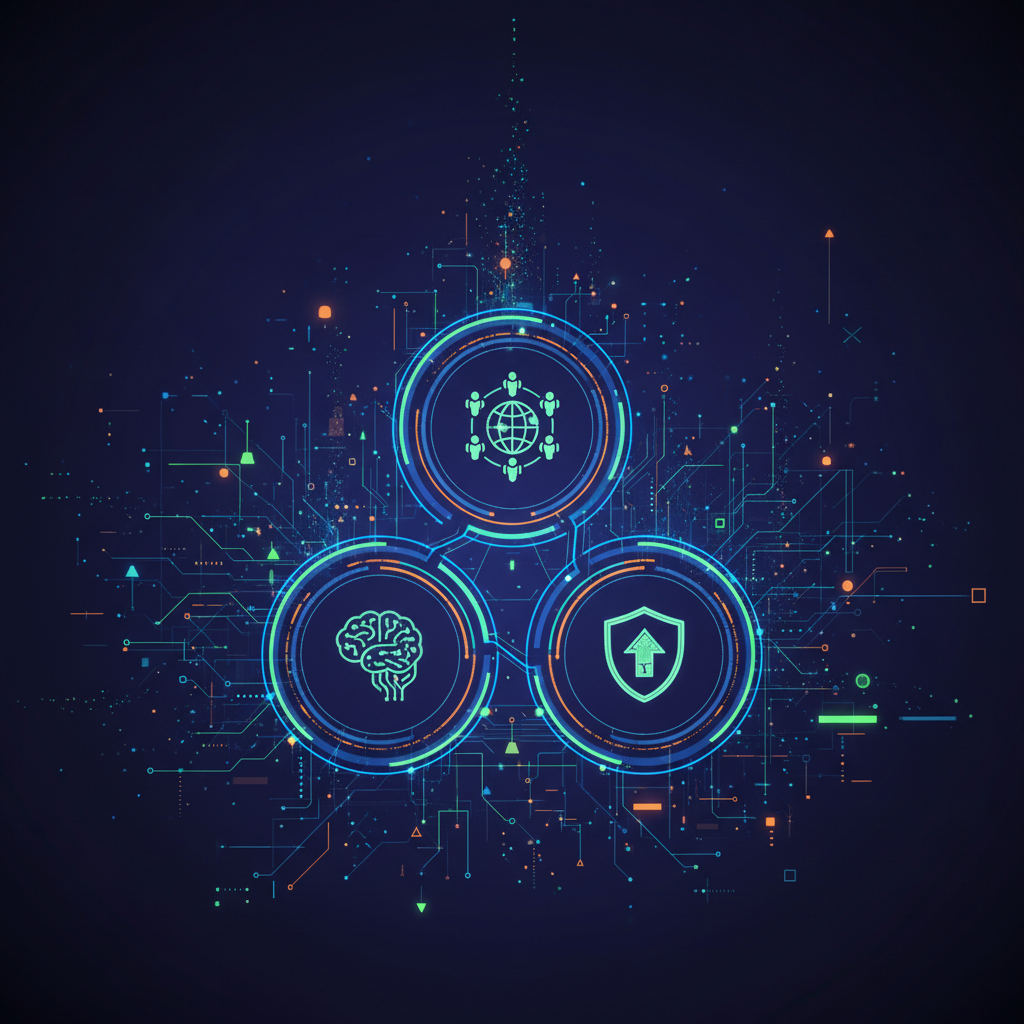
כדי לנווט במורכבויות של תרומות נתמכות-AI ולהפוך את החונכות למדרגית, מתחזקים מאמצים מסנן אסטרטגי המכונה "3 ה-C": Comprehension (הבנה), Context (הקשר), ו-Continuity (המשכיות). מסגרת זו עוזרת למתחזקים להחליט היכן להשקיע את אנרגיית החונכות המוגבלת שלהם, ובכך להבטיח שהיא תניב את התשואות הטובות ביותר לקהילה.
1. הבנה: הבנת בעיית הליבה
ה-C הראשון שואל: האם הם מבינים את הבעיה מספיק טוב כדי להציע שינוי זה? חלק מהפרויקטים בודקים כעת הבנה לפני הגשת קוד. לדוגמה, גם OpenAI Codex וגם Google Gemini CLI יישמו הנחיות הדורשות מתורמים לפתוח נושא ולקבל אישור לפני הגשת בקשת משיכה. שיחה ראשונית זו הופכת לבדיקת הבנה קריטית. יתר על כן, ספרינטים של קוד והאקתונים פנים אל פנים חווים תחייה מכיוון שהם מספקים למתחזקים הזדמנויות בזמן אמת לאמוד את העניין וההבנה של תורם פוטנציאלי. אמנם לא ריאלי לצפות ממצטרף חדש לתפוס את כל הפרויקט, אך הבטחה שהם אינם מבצעים קומיט לקוד מעבר לרמת ההבנה הנוכחית שלהם חיונית לצמיחה בריאה.
2. הקשר: מתן אפשרות לסקירה יעילה
ה-C השני, הקשר, מתמקד בשאלה האם התורמים מספקים את המידע הדרוש לסקירה יסודית ויעילה. זה כולל פרטים חיוניים כמו קישור לנושא הרלוונטי, הסבר על פשרות, ובאופן הולך וגובר, חשיפת שימוש ב-AI. מדיניות של ארגונים כמו ROOST ו-Fedora קוראת כעת לחשיפת AI מפורשת. הידיעה שבקשת משיכה נתמכה ב-AI מאפשרת לסוקר לכייל את גישתו, אולי לשאול שאלות מבהירות יותר לגבי הבנתו של התורם את השלכות הפתרון ולא רק את נכונותו הפונקציונלית.
גישה חדשנית נוספת כוללת קבצי 'AGENTS.md'. בדומה ל-robots.txt, קבצים אלו מספקים הנחיות לסוכני קידוד AI. פרויקטים כגון scikit-learn, Goose, ו-Processing ממנפים את 'AGENTS.md' כדי להדריך סוכנים לעמוד בהנחיות הפרויקט, לבדוק אם הוקצו נושאים, ולכבד נורמות קהילתיות. יוזמה זו מעבירה את נטל איסוף ההקשר לתורם ולכלים שלו, ובכך מייעלת את תהליך הסקירה עבור מתחזקים אנושיים. ניתן ללמוד עוד על תהליכי עבודה דומים במאמר שלנו על תהליכי עבודה אגנטיים של GitHub.
3. המשכיות: מסנן החונכות האולטימטיבי
ה-C האחרון, ואולי הקריטי ביותר, הוא המשכיות: האם הם ממשיכים לחזור? בעוד שתרומות "חד-פעמיות" יכולות להיות מועילות, חונכות עמוקה צריכה להיות שמורה לאנשים המפגינים מעורבות עקבית. השקעת החונכות שלך יכולה לגדול עם הזמן:
- מעורבות ראשונית: שיחה ראשונה נהדרת בבקשת משיכה יכולה להיות רגע למידה.
- תרומה מתמשכת: אם הם חוזרים בעקביות ומגיבים בשיקול דעת למשוב, שקול לעבוד איתם על משימה או להציע משימות מאתגרות יותר.
- מחויבות ארוכת טווח: אם מעורבותם נמשכת, הזמן אותם לאירועים או אף שקול להציע גישת קומיט.
גישה מדורגת זו מבטיחה שחונכות עמוקה תופנה לאלה שמחויבים באמת לפרויקט, ובכך ממקסמת את השפעת זמנו של מתחזק.
יישום 3 ה-C לקוד פתוח בר-קיימא
המסר העיקרי ברור: הבנה והקשר גורמים לתרומה שלך להיבדק; המשכיות גורמת לך לקבל חונכות. כמתחזק, פירוש הדבר שאתה לא צריך להשקיע אנרגיית חונכות עמוקה עד שכל שלושת ה-C יהיו ניכרים.
שקול את תהליך העבודה הזה:
בקשת משיכה נוחתת ← עומדת בהנחיות?
                לא  ← לסגור. ללא ייסורי מצפון.
                כן → סקירה ← הם חוזרים?
                                    כן → לשקול חונכות
גישה פרגמטית זו מגינה על זמנם היקר של מתחזקים. אם מגיעה בקשת משיכה מלוטשת אך אינה עומדת בהנחיות המבוססות, סגירתה ללא ייסורי מצפון מאפשרת למתחזקים להתמקד בתרומות המפגינות מעורבות אמיתית. כאשר תורם משתתף באופן פעיל בדיונים, מגיש בקשות משיכה נוספות, ומשלב משוב בשיקול דעת, אז השקעתו של מתחזק מוצדקת באמת.
מעבר להגנה על זמן, קריטריונים ברורים כמו 3 ה-C גם מטפחים שוויון. הסתמכות על "תחושות בטן" או אינטואיציה בחונכות עלולה להוביל באופן לא מכוון להטיה. לעומת זאת, רובריקה מובנית מקדמת סביבה הוגנת יותר לזיהוי וטיפוח כישרונות.
כדי להתחיל ליישם מסגרת זו, בחר C אחד להתחיל איתו:
- הבנה: דרוש נושא לפני בקשת משיכה או אירח ספרינטים של קוד פנים אל פנים.
- הקשר: יישם מדיניות חשיפת AI או צור קובץ 'AGENTS.md'.
- המשכיות: צפה במכוון מי חוזר ומתעסק באופן עקבי.
המטרה אינה להגביל תרומות נתמכות-AI אלא לבנות אמצעי הגנה חכמים שישמרו על חונכות אנושית ויבטיחו את בריאותן ארוכת הטווח של קהילות קוד פתוח. כלי AI כאן כדי להישאר; הצורך הדחוף הוא להתאים את הנהלים שלנו כדי להגן על הקשרים האנושיים, העברת הידע ואפקט המכפיל שהופכים את הקוד הפתוח למוצלח. 3 ה-C מציעים מסגרת חזקה לעשות בדיוק את זה.
מקור מקורי
https://github.blog/open-source/maintainers/rethinking-open-source-mentorship-in-the-ai-era/שאלות נפוצות
What is the 'Eternal September' in open source and how is AI contributing to it?
Why is mentorship crucial for open-source communities, and why is it currently at risk?
Explain the '3 Cs' framework for strategic mentorship in the AI era.
How does disclosing AI use in contributions improve the review process?
What is 'AGENTS.md' and how does it help maintainers?
How can maintainers apply the '3 Cs' framework to protect their time and ensure effective mentorship?
What is the 'multiplier effect' in open-source mentorship, and how is it maintained with the 3 Cs?
הישארו מעודכנים
קבלו את חדשות ה-AI האחרונות לתיבת הדוא״ל.